Bargains! PROMOTIONS


Polly Prescott is a former flight attendant, writer and wellness advocate whose work now centers on movement, strength, and self-trust for bodies living with chronic and autoimmune illness. She was diagnosed with Hashimoto's disease one year into her marriage and Mast Cell Activation Syndrome two years later, diagnoses that quietly but profoundly reshaped her relationship with her body, her partner, and the world around her. As her immune system became increasingly compromised, Polly found herself withdrawing from everyday life. Travel became difficult. Social plans disappeared. Her world grew smaller as fatigue, inflammation, and unpredictable reactions took over. Depression followed, along with significant weight gain that left her physically uncomfortable and emotionally disconnected from the body she had always known. Having been naturally thin for most of her life and never particularly drawn to fitness, this shift was not just physical but deeply destabilizing. The routine that became this book was not born from athletic ambition or a lifelong love of exercise. It was built out of necessity. Polly researched, experimented, failed, rested, and tried again because she needed a way to feel grounded in her body without harming it further. She needed movement that did not punish exhaustion, demand perfection, or treat rest as weakness. What emerged was a realistic, adaptive approach to strength that prioritized sustainability, joint safety, and long-term consistency over intensity. Polly's writing is informed by lived experience navigating fatigue, flare-ups, weight changes, and the constant renegotiation of physical limits. She speaks directly to readers who have been dismissed as lazy, unmotivated, or dramatic when they were, in fact, managing illness. Her work rejects shame-based fitness culture and all-or-nothing thinking, offering instead a compassionate framework for building strength in unpredictable bodies. She believes that real strength is not measured by how hard you push, but by how honestly you listen. That progress does not move in straight lines. And that caring for your body as it exists today is not giving up, but choosing to stay. Polly writes for those who are rebuilding trust with their bodies slowly, imperfectly, and on their own terms.
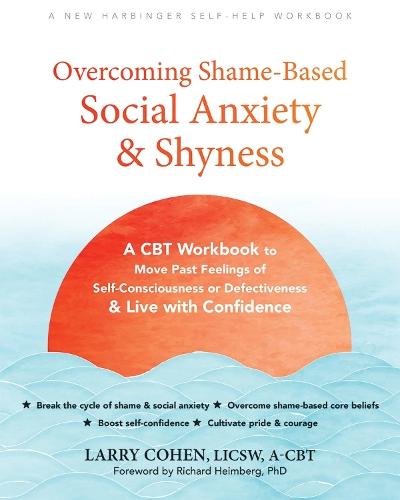
Overcoming Shame-Based Social Anxiety...
A CBT Workbook to Move Past Feelings...
Paperback
$56.99
In Stock 😊