PRIZES to win! PROMOTIONS


Ivan L. Preston is the Journal Communications-Heyse Professor of Journalism and Mass Communications at the University of Wisconsin-Madison. He has been honored three times by the American Academy of Advertising, including serving as its president. An expert witness and author of numerous articles on advertising law, he is the author of The Great American Blow-Up: Puffery in Advertising and Selling, also published by the University of Wisconsin Press.
Preston discusses the tools of the advertising trade and what the law will and will not allow, citing several memorable cases, involving Sears, Volvo, and Heileman Brewing and its PowerMaster malt liquor, among others. . . . So what's a little, or maybe more than a little, deception, or image-building, in love and competition? Everybody, or almost everybody, does it. And consumers don't really believe all they see and hear, anyway. Preston begs to differ, and he does so strongly and effectively. --Chuck Hutchcraft, Chicago Tribune In this fascinating examination of contemporary 'ad-speak, ' Preston reveals the logical tricks behind familiar ads and reviews their legal status. He then goes on to argue for a 'revolutionary' new standard for advertising, saying that ads should be constructed in such a way that consumers can rely on their content. --Robert Herrmann, former President, American Council on Consumer Interest A stimulating examination of ads, cases, and rulings that leads us to think about how regulation might be changed in the future. The book will inform students and practitioners on all sides of the issues, while challenging them with some proposals sure to be controversial. --William L. Wilkie, University of Notre Dame A powerful analysis of what's wrong with advertising, how regulation sanctions deception, and what reforms are necessary. Advocates, educators, and regulators will find the book both provocative and useful. --Stephen Brobeck, Executive Director, Consumer Federation of America [Preston] meticulously dismantles advertisers' arsenal of dirty tricks: implied but spurious claims, 'minimal facts' promoted as significant, puffery, infomercials disguised as news programs, and empty 'nonfacts' vaunting a brand's superiority over all others. . . . A potent handbook for consumers awash in misinformation. -- Publishers Weekly Preston discusses the tools of the advertising trade and what the law will and will not allow, citing several memorable cases, involving Sears, Volvo, and Heileman Brewing and its PowerMaster malt liquor, among others. . . . So what s a little, or maybe more than a little, deception, or image-building, in love and competition? Everybody, or almost everybody, does it. And consumers don t really believe all they see and hear, anyway. Preston begs to differ, and he does so strongly and effectively. Chuck Hutchcraft, Chicago Tribune In this fascinating examination of contemporary ad-speak, Preston reveals the logical tricks behind familiar ads and reviews their legal status. He then goes on to argue for a revolutionary new standard for advertising, saying that ads should be constructed in such a way that consumers can rely on their content. Robert Herrmann, former President, American Council on Consumer Interest A stimulating examination of ads, cases, and rulings that leads us to think about how regulation might be changed in the future. The book will inform students and practitioners on all sides of the issues, while challenging them with some proposals sure to be controversial. William L. Wilkie, University of Notre Dame A powerful analysis of what s wrong with advertising, how regulation sanctions deception, and what reforms are necessary. Advocates, educators, and regulators will find the book both provocative and useful. Stephen Brobeck, Executive Director, Consumer Federation of America [Preston] meticulously dismantles advertisers arsenal of dirty tricks: implied but spurious claims, minimal facts promoted as significant, puffery, infomercials disguised as news programs, and empty nonfacts vaunting a brand s superiority over all others. . . . A potent handbook for consumers awash in misinformation. Publishers Weekly
It's Not How Good You Are, It's...
The world's best-selling book by...
Paperback
$19.95
Not in-store but you can order this
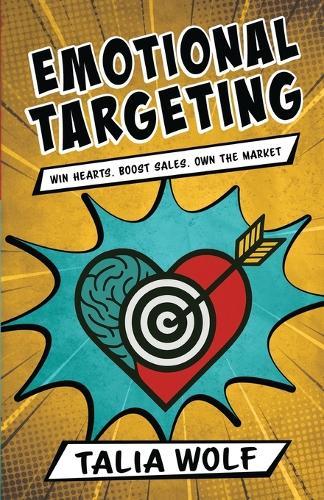
Emotional Targeting
Win hearts. Boost sales. Own the...
Paperback
$35.95 $30.46
Not in-store but you can order this
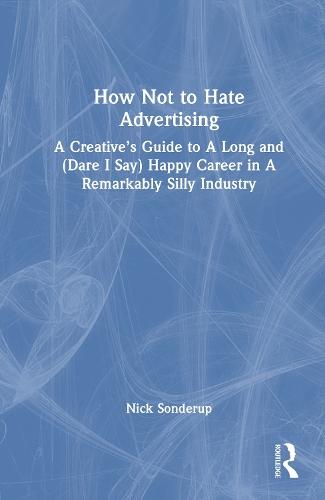
How Not to Hate Advertising
A Creative’s Guide to A Long and...
Hardback
$356.95 $285.90
Not in-store but you can order this
Digital Advertising in the Post-cookie...
Strategic Campaign Planning Across...
Hardback
$96.95 $82.36
Not in-store but you can order this
$100 млн Модели Продаж
Как делать деньги
Paperback
$53.95 $45.55
Not in-store but you can order this