Beat the rise! Delivery fees are going up soon. INFO


David Buch is a software architect and writer, born in Johannesburg and raised on a yacht that crossed the Atlantic before he was seven. He has lived and worked across six countries and built systems for clients ranging from the Australian Cabinet to the Belgian Federal Police, from Royal Australian Air Force weapons procurement to the Liquid Radiation Tracking Process at the Chernobyl Nuclear Power Plant.He read law in the United Kingdom and holds separate degrees in Computer Science and Psychology and has spent more than three decades building enterprise software for organisations that needed it to work the first time. His own diagnoses came late, and The Quiet Mind is, in part, the book he wishes someone had handed him in his twenties.He lives in Australia and is a Kahu to his four beloved cats
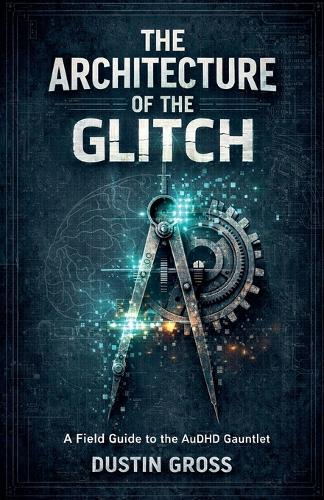
The Architecture of the Glitch
A Field Guide to the AuDHD Gauntlet...
Paperback
$38.95 $33.04
Not in-store but you can order this
Einstufung
Gefährder: Vom Menschen zur Akte...
Paperback
$55.95 $47.27
Not in-store but you can order this
La Cura de la Generación Ansiosa...
Una Guía Tranquilizadora para Padres...
Paperback
$35.95 $30.59
Not in-store but you can order this