Beat the rise! Delivery fees are going up soon.


Makungu M. Akinyela, PhD, LMFT, is a family therapist in practice for over thirty years, and an Associate Professor in the Africana Studies Department at Georgia State University in Atlanta. He has published extensively on issues of culture and decolonization in therapy. He resides in Atlanta, Georgia.
Offers modern-day Western psychology a crucial and overdue challenge to the field's Eurocentric, noncontextualized, individualist, and colonizing foundations. Akinyela highlights how traditional Western psychological frameworks are not only culturally biased but have historically served as 'architects of adjustment' by preserving the status quo, while denying any social responsibility for perpetuating harmful sociopolitical knowledges. Mainstream Western psychology is further implicated in supporting the neoliberal agenda that defines distress, suffering, and trauma as privatized within the individual and viewed as phenomenon of a 'mismanaged life' rather than acknowledging relational, cultural, structural, and socioeconomic oppression. Dr. Akinyela's African-centered approach to narrative therapy and relational interviewing pushes us forward. This book will dramatically change how you practice therapy.--Stephen Madigan, PhD, training director, Vancouver School of Narrative Therapy, author of three editions of Narrative Therapy This book is essential reading for anyone seeking to help individuals, families, or communities heal the ongoing wounds of the colonial enterprise. Makungu Akinyela clearly and compellingly shares the wisdom gained in his journey to become the scholar-activist-healer these pages reveal him to be. I marvel at his ability to combine intellectual theory, personal history, and practical guidance in a way that keeps me engaged page by page.--Gene Combs, MD, coauthor of Narrative Therapy: The Social Construction of Preferred Realities This outstanding book introduces testimony therapy, a pioneering approach that utilizes African American cultural practices of testifying and empowerment through storytelling. It makes a strong case for decolonizing mental health by positioning this narrative therapy within Black historical traditions. Through clinical and supervisory examples, therapists will learn to help clients overcome adversity and oppression by nurturing hopefulness, cultural authenticity, and strong racial identities. It should be required reading in all programs training mental health professionals.--Nancy Boyd-Franklin, PhD, Distinguished Professor Emerita, Rutgers University, author of Black Families in Therapy: Understanding the African American Experience
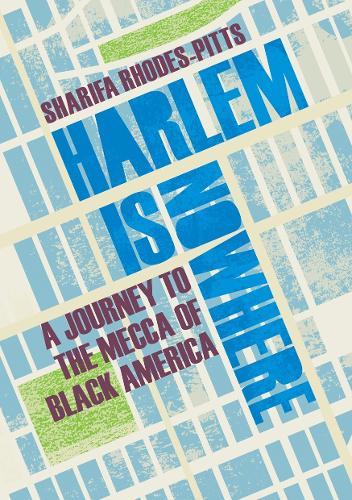
Harlem is Nowhere
A Journey to the Mecca of Black...
Paperback
$39.99
Forthcoming
You can preorder this
Strangers on the Western Front
Chinese Workers in the Great War...
Hardback
$99.95
Forthcoming
You can preorder this
Wayward Lives, Beautiful Experiments...
Intimate Histories of Riotous Black...
Paperback
$32.99
In Stock 😊
The Souls of Black Folk
A Library of America Paperback Classic...
Paperback
$22.99
Forthcoming
You can preorder this