Bargains! PROMOTIONS


An exhaustive and sometimes exhausting examination of shame, its causes, effects, and various guises, by Nichols (Psychiatry/Albany Medical College; Turning Forty in the Eighties, 1986). According to Nichols, shame - the result of some perceived weakness, dirtiness, or defect in the self - is instilled by the family in infancy and early childhood, bursts into excruciatingly full bloom in adolescence, and is amply nourished by school, church, and society. It does have its adaptive functions - protecting individual privacy and safeguarding social order - but most of us have entirely too much of it. As Nichols notes, a great deal of our adult energy is wasted in hiding shame or compensating for it, whether by defensiveness, arrogance, avoidance of intimacy, excessive work, drug and alcohol abuse, binge-eating, etc. But shame can be minimized: Nichols offers advice to parents, who have the most power to affect their children's self-esteem, on positive parenting. And shame can be healed, he says, by engaging oneself in the world and with other people so that positive self-perceptions can accumulate and displace negative ones. Most therapeutic of all, claims Nichols, is discovering some ideal or meaning in life and committing oneself to it. Compassionate, and salted with some wisdom. But too often Nichols belabors the obvious (the humiliations of youth, in particular) and verges into abstraction; more anecdotal material would have made for more concrete - and livelier - analysis. (Kirkus Reviews)
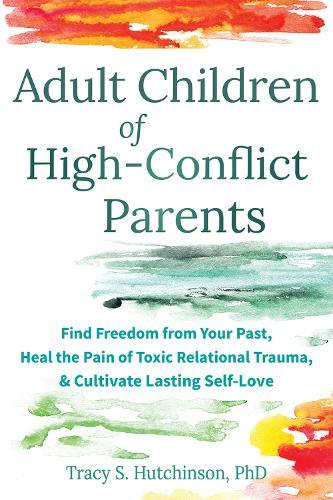
Adult Children of High-Conflict...
Find Freedom from Your Past, Heal...
Paperback
$39.99
In Stock 😊
The Space Between the Stars
On love, loss and the magical power...
Paperback
$24.99
In Stock 😊