PRIZES to win! PROMOTIONS


Walter Bagehot was an English writer, journalist, and economist whose work profoundly influenced political and financial thought in the 19th century. Born on February 3, 1826, in Langport, he was the son of Thomas Watson Bagehot, a prominent banker, and Edith Stuckey Bagehot, from a family active in commerce. Educated at University College London, he initially studied mathematics and philosophy before turning to journalism and economics. Bagehot co-founded the National Review in 1855, through which he explored the political and intellectual issues of Victorian society. His writing combined analytical precision with a clear understanding of human nature, making complex subjects such as government and finance accessible to a broad audience. As the editor of The Economist, he established himself as one of Britain's leading commentators on politics and economics. His major works, including The English Constitution and Lombard Street, remain seminal texts for their insightful treatment of governance and financial systems. Bagehot's thought bridged academic inquiry and practical application, leaving an enduring legacy in political economy and journalism.
Operational Risk Management in Financial...
A Practical Guide to Establishing...
Paperback
$86.95
Not in-store but you can order this
Making Money Work for Us
How MMT Can Save America
Hardback
$93.95
Not in-store but you can order this
Inclusive Finance
How Fintech and Innovation Can Transform...
Paperback
$61.95
Not in-store but you can order this
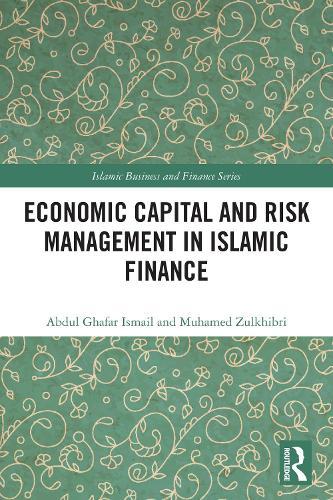
Economic Capital and Risk Management...
Paperback
$106.95 $85.87
Not in-store but you can order this
Managing Financial Institutions...
An Integrated Valuation Approach...
Hardback
$375.95 $300.45
Not in-store but you can order this