PRIZES to win! PROMOTIONS


Isabel Colegate is the author of many bestselling books including THE ORLANDO TRILOGY, AGATHA, A GLIMPSE OF SION'S GLORY, WINTER JOURNEY and THE SHOOTING PARTY. She reviews both fiction and non-fiction for the Daily Telegraph, TLS, the Spectator, Washington Post, New York Times as well as writing travel articles for the Independent, Daily Telegraph and the Daily Mail. She has appeared on a number of radio and television programmes. She was made a Fellow of the Royal Society of Literature in 1981and given an honorary degree by the University of Bath in 1988.
Humanity has always felt the lure of the solitary life - living in a remote spot in the desert or mountains, growing one's own food, communing only with God and nature. It is an ideal that has remained remarkably constant over thousands of years. When Isabel Colegate discovered the remains of an 18th-century hermitage on the land near her house, she too became fascinated with the idea, and set out to research the hermit lifestyle from China in the third millennium BC to present-day America. In this enjoyable and beautifully written book, Colegate brings together the lives of many different solitaries, whether religious, misanthropic or just eccentric. She has collected a remarkable array of examples, each with their own idiosyncrasy. St Simeon Stylites lived for many years on top of a 60-foot pillar in fifth-century Syria. Although his avowed intention was to escape the world, in fact he became a popular tourist attraction, judging local disputes over property between his prayers. Some English Parliamentarians who signed Charles I's death warrant fled to America on Charles II's accession, and lived for years in a cave in Connecticut, whereas Czar Alexander I of Russia is widely supposed to have faked his death in 1825 to become a wandering monk. Most interesting perhaps is the 18th-century fashion for hermits, inspired by Rousseau's rhapsodies on the joys of returning to nature. Many British landowners built ornamental hermitages - such as the one near Colegate's house - and some advertised for occupants. To have one's own hermit was regarded as the very peak of rural elegance, and one landowner even persuaded his brother to take up the position. Colegate has a sharp eye for incongruities, and although most of her book evokes the strange joys of solitude, she never misses the occasions when recluses were less than high-minded in pursuit of it. Of Rilke she writes, 'He felt it extremely important to protect his poetic ego from too many outside demands; luckily a succession of charming and interesting and rich women were prepared to help him do so.' This is a fascinating, insightful and highly evocative survey; by the end, even the most gregarious readers will be dreaming of a little hut of their own, set in a quiet wooded valley with no company but the birds and the creatures of the forest. (Kirkus UK)
How to Practice Gratitude
Rituals for Being Grateful Each...
Paperback
$52.99
Not in-store but you can order this
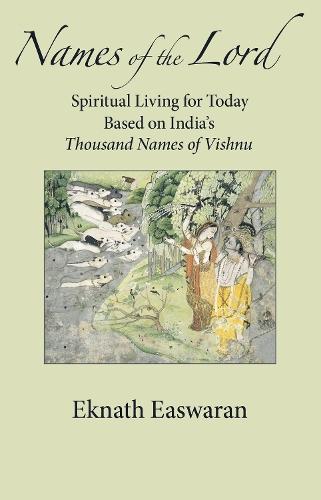
Names of the Lord
Spiritual Living for Today Based...
Paperback
$34.99
Not in-store but you can order this
The Daddy Chronicles
A 31 Day Devotional of Lessons and...
Paperback
$39.95 $34.21
Not in-store but you can order this
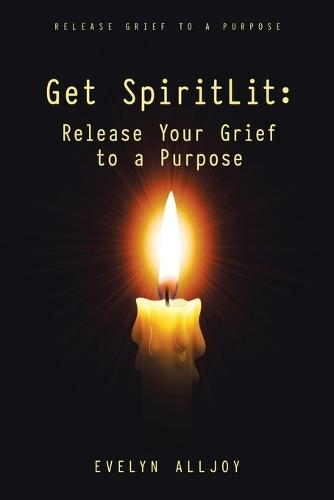
Get SpiritLit
Release Your Grief to a Purpose:...
Paperback
$55.95 $47.68
Not in-store but you can order this