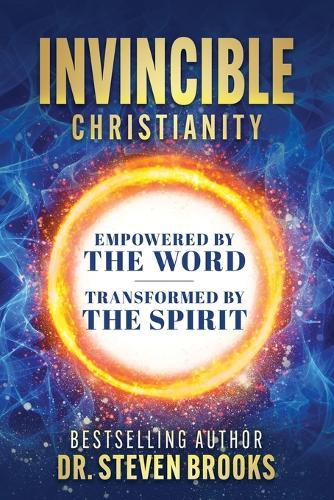
Bargains! PROMOTIONS


YAMADA MUMON was born in the mountainous Aichi Prefecture of Japan in 1900. While attending high school in Tokyo, reading Confucius turned him toward the deeper questions about life. He began exposing himself to Christian and Buddhist teachers, entering a Zen monastery at the age of 19. Mumon later met his primary teacher, Seki Seisetsu Roshi, and moved into Tenryū-ju monastery, where he served the master until his death in 1945. In his fifties, Mumon became a master in his own right, serving as abbot of Shofuku-ji Temple in Kobe, where he taught both Japanese and Western students and eventually established an international network of disciples. Known for his curiosity and for his many writings on Zen, he passed away in 1988. NORMAN WADDELL, born in Washington, D.C., in 1940, is the authoritative English translator of works by and about Hakuin. He taught at Otani University in Japan for over thirty years and was editor of the Eastern Buddhist Journal for several decades. He has published more than a dozen books on Japanese Zen Buddhism and is one of the finest translators of sacred texts of our time.
“Here we witness one of postwar Japan’s best-known Rinzai masters making an energetic effort to interest his compatriots in Zen. Yamada Mumon uses Hakuin Zenji’s famous doctrinal verse as a unifying strand for a series of brief essays that lay out in accessible terms some of his venerable tradition’s basic teachings. Writing in the 1950s for lay readers in a country reeling from decades of imperial warfare, subsequent devastation, and defeat, he addresses sundry news events, family life, ethical dilemmas, and the like. The book, expertly translated, is also a hand extended across the seas and the intervening decades—of all his writings, the one he most wanted Westerners to see.” —Nelson Foster, author of Storehouse of Treasures “This is a Buddhist leader grappling with the darkest shadow of his countrymen, and bringing the Pure Land to all, truly all: even to the shadows that, at the time, had only just begun to recede. Thanks to this and many other essays in this book Yamada Roshi remains one of the most important and engaging figures of post-war Japanese Buddhism. This book is not only about cultivating Dharma, crucial though that is. It is a window into the mind of a truly fascinating Buddhist clergyman.” —Buddhistdoor Global “A seminal study that is articulate, elegant, insightful, thoughtful and thought-provoking. . . . Very special and unreservedly recommended.” —Midwest Book Review
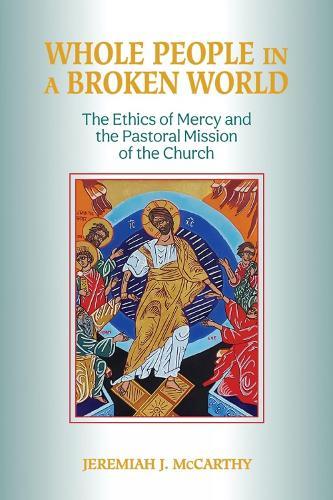
Whole People in a Broken World
The Ethics of Mercy and the Pastoral...
Paperback
$110
In Stock 😊