Beat the rise! Delivery fees are going up soon.


Blind since birth, mezzo-soprano LAURIE RUBIN recently received high praisefrom New York Times chief classical music critic Anthony Tommasini, who wroteshe possesses ""compelling artistry,"" ""communicative power,"" and that her voicedisplays ""earthy, rich and poignant qualities."" Recent career highlights include herUnited Kingdom solo recital debut performance at Wigmore Hall in London as wellas her solo recital debut at Weill Recital Hall at Carnegie Hall. Ms. Rubin hasperformed concerts of new music with the Chamber Music Society of LincolnCenter, and has performed numerous roles, including the lead role of Karen inThe Rat Land by Gordon Beeferman with New York City Opera, Penelope inMonteverdi's The Return of Ulysses, and the title role in Rossini's ""LaCenerentola."" She has recorded a CD of art songs with renowned collaborativepianists Graham Johnson and David Wilkinson on the Opera Omnia label. She isco-founder and associate artistic director of Ohana Arts, a performing arts schooland festival in Hawaii. She also designs her own line of handmade jewelry, LRLook.
Laurie Rubin shows that we need not be defined by what others may see as our limitations. With her remarkable approach to life and her extraordinary musical achievements, she is an inspiring example to all who are finding their way. --Katherine Damkohler, Executive Director, Education Through Music I've never met Laurie Rubin, but her voice and spirit leap off the page of her riveting memoir. Despite all the obstacles and prejudice Rubin faced growing up blind, reading Do You Dream in Color? left me feeling that she's had a charmed life. . .Art, love, family, and connectedness are the high notes Rubin hits again and again in this unusually inspiring life story. --Elizabeth Benedict, author of Almost and The Practice of Deceit Do You Dream in Color? shows the same clarity, honesty, and devotion that Laurie has always had with her art. A wonderful book. --Frederica von Stade, mezzo-soprano Her book is riveting and readers will find themselves cheering for her victories and feeling her pain when peers and instructors dismiss her or treat her as if she is invisible or 'less-than' her sighted contemporaries. --Jewish Book Council
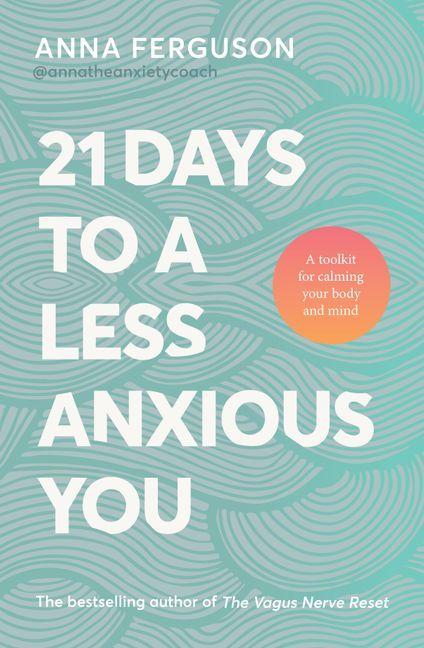
21 Days To A Less Anxious You
A toolkit for harnessing the vagus...
Paperback
$35.99
In Stock 😊
The Age of Scientific Wellness
Why the Future of Medicine Is Personalized,...
Paperback
$41.95
In Stock 😊
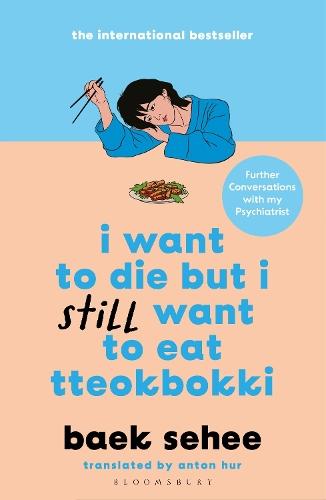
I Want to Die But I Still Want to...
Further Conversations with My Psychiatrist...
Paperback
$24.99
In Stock 😊