Bargains! PROMOTIONS


Dr. Baird is Professor of Management at Boston University and Executive Director of the Leadership Institute, which he helped found. He is currently a principal at the Systems Research Center and Research Director of the Executive Development Roundtable focusing on the role of top executives and executive development. Each of these Institutes and Roundtables brings together leading organizations to work common issues and problems. Together they represent over 100 corporations devoted to staying on the cutting edge of practice. They fund research and joint projects to test out new theories and applications. They provide the guidance, on site coordination and validate the findings by quickly testing them in real world situations. We provide the research capability and an objective outsider role testing their assumptions and suggesting solutions. John C. Henderson, is Chair of the Management Information Systems Department, Director of the Systems Research Center and is the Richard G. Shipley Endowed Chair at Boston University's School of Management. As Director of the Systems Research Center he is involved globally with top corporations developing and implementing corporate information technology strategy. Most recently he is working with them developing strategies and applications which fit a faster moving, dynamic economy. He received he Ph.D. from the University of Texas at Austin. He is a noted researcher, consultant and executive educator with published papers appearing in journals such as Management Science, Sloan Management Review, MIS Quarterly, IBM Systems Journal, European Management Journal, and many others. He is often sought out for editorial comment in academic and applied journals and is popular with journalists as one who understands both the worlds of theory and application.
How to Get the Most Out of Clinical...
A CPE Primer
Paperback
$59.99
Not in-store but you can order this
That's Not Strategy
Where the Future Thrives in the...
Paperback
$30.95 $28.22
Not in-store but you can order this
The Digital Mindset
What It Really Takes to Thrive in...
Hardback
$44.99
Not in-store but you can order this
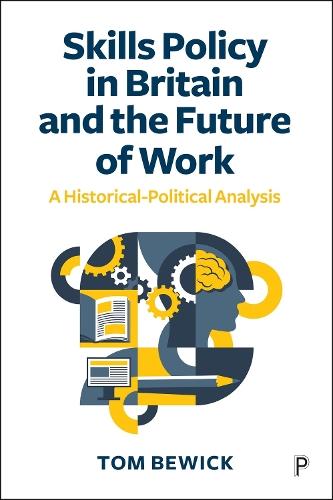
Skills Policy in Britain and the...
A Historical-Political Analysis...
Paperback
$68.95
Not in-store but you can order this
Gesunde und sozial nachhaltige Organisation...
Paperback
$206.95 $165.78
Not in-store but you can order this
Everyday Business Storytelling
Create, Simplify, and Adapt A Visual...
Paperback
$57.95
Not in-store but you can order this