Beat the rise! Delivery fees are going up soon.


Theodore Levitt was the Edward W. Carter Professor of Business Administration Emeritus at the Harvard Business School and former editor of the Harvard Business Review.
Alt-rock noise icons of the '80s and '90s receive an exhausting bio.Music scribe Browne (Dream Brother: The Lives and Music of Jeff and Tim Buckley, 2001, etc.) wrestles at unsatisfying length with the music and career of Sonic Youth. Much of the early going is devoted to Connecticut-raised guitarist Thurston Moore's apprenticeship in the '70s New York punk scene and California-bred bassist Kim Gordon's in the L.A. art world. In the East Village, the couple (who would later wed) hooked up with guitarist Lee Ranaldo, whose work with avant-noise axeman Rhys Chatham was mirrored by Moore's tenure with the influential racket-monger Glenn Branca. With first drummer Bob Bert and latter-day skinman Steve Shelley, Sonic Youth created a flurry of forceful, inspired independent-label albums that melded battering detuned guitar work, hardcore punk energy and elusive pop-culture references to make them the darlings of the post-punk indie underground. Following the release of their two-LP 1988 masterwork Daydream Nation, the band began an uneasy but lucrative two-decade stint with major label Geffen Records, whose delusional executives believed their abrasive, experimental music could attain the same immense commercial success as pop-friendly grunge hitmakers Nirvana. Browne's recounting is awash in factoids that swamp the narrative. He is so intent on supplying details, no matter how minuscule or irrelevant, that the forest is swiftly obscured by the multitudinous trees. Judicious editing could have reduced the book's arduous length by a quarter; it could also have cut down on the cliched rock-crit adjective slinging with which Browne attempts to explicate Sonic Youth's complex music. Though the band members and their longtime associates sat for interviews, only Ranaldo is especially self-revelatory; Shelley seems merely petulant, while Moore and Gordon, whose career-long personal and professional relationship is the core of the tale, are extremely guarded.Overwritten yet strangely dispassionate sound and fury, signifying far less than Sonic Youth's ardent, explosive music. (Kirkus Reviews)
AI Strategy for Sales and Marketing...
Connecting Marketing, Sales and...
Paperback
$68.95
Not in-store but you can order this
The New Rules of Marketing & PR...
How to Use Content Marketing, AI,...
Paperback
$49.95
Not in-store but you can order this
Social First Brands
How Modern Brands Create Community,...
Paperback
$61.95
Not in-store but you can order this
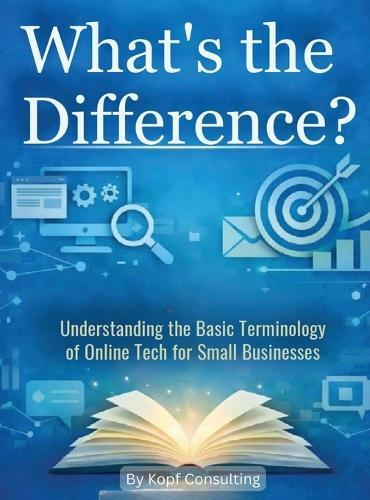
What's the Difference?
Understanding the Basic Terminology...
Hardback
$51.95 $46.98
Not in-store but you can order this