Bargains! PROMOTIONS


Gary Love is Professor of British History and Culture at Norwegian University of Science and Technology. His work focuses on the history of British political ideologies and traditions. He has published in journals such as English Historical Review, The Historical Journal, and Contemporary British History. He is the co-editor of Conservatism, Christian Democracy and the Dynamics of Transformation: Traditions, Cooperation and Influence in North-West Europe (2025). Richard Toye is Professor of Modern History at the University of Exeter. He is a specialist in the history of rhetoric and is the author of numerous articles and books, including Rhetoric: A Very Short Introduction (2013), The Roar of the Lion: The Untold Story of Churchill's World War II Speeches (2013), and Age of Hope: Labour, 1945, and the Birth of Modern Britain (2023).
'Even in an age of podcasts and TikTok, the written word remains crucial to how both politicians and voters understand and articulate political ideas. The authors in this capacious and engaging volume shed a new light on how writing about politics has shaped our understanding in the modern era. The volume is an important contribution to the literature on contemporary political history. Laura Beers, American University 'In Writing Politics in Modern Britain, an accomplished array of practitioners of the 'new political history' address how literary conventions shape political texts. The result is a distinctly original contribution to our understanding of how politics has been conceived in modern Britain, with a commendable focus on the contexts of gender and sexuality.' Martin Francis, University of Sussex 'This invaluable collection explores how acts of writing and publishing enabled different ways of 'doing politics.' Dazzling in scope, the authors expertly examine the connections between writers and readers at all levels of society. Writing Politics in Modern Britain will undoubtedly become a landmark study.' Saima Nasar, University of Bristol
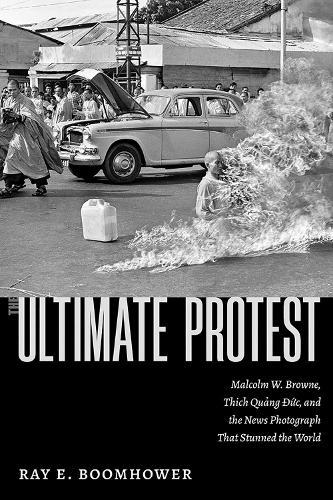
The Ultimate Protest
Malcolm W. Browne, Thich Quang Duc,...
Paperback
$57.99
Not in-store but you can order this
Ring the Chief Justice
The Quirky Adventures of an Australian...
Paperback
$39.95
Not in-store but you can order this
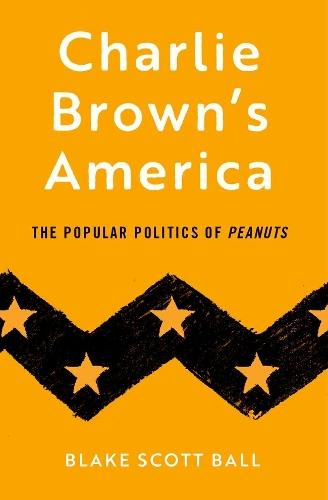
Charlie Brown's America
The Popular Politics of Peanuts...
Paperback
$45.95
Not in-store but you can order this