15% OFF GIFT VOUCHERS! SHOW ME


Francis Gavin is the Giovanni Agnelli Distinguished Professor and the inaugural director of the Henry A Kissinger Center for Global Affairs at Johns Hopkins SAIS. In 2021, Professor Gavin was named a 2021–2022 Ernest May Senior Visiting Fellow of the Applied History Project at Harvard’s Belfer Center for Science and International Affairs. Gavin is the author of Gold, Dollars, and Power: the Politics of International Monetary Relations, 1958–1971 and Nuclear Weapons and American Grand Strategy.
""Worried about the world? Frank Gavin combines great historical perspective with important current insights in this very readable volume.""--Joseph Nye, Distinguished Service Professor Emeritus at Harvard University and author of ""A Life in the American Century"" ""A fascinating read.""--Graham Tillett Allison Jr., Douglas Dillon Professor of Government at the John F. Kennedy School of Government, Harvard University ""Francis Gavin stands among our the most perceptive and original strategic thinkers of our era, and this jewel of a volume collects a decade of his reflections. With wit, verve, and a subtle historical sensibility, he draws on the insights of the past to clarify the challenges of the present -- and limns a prudently hopeful path for the future.""--Will Inboden, Director of the Hamilton Center, University of Florida and author of the award winning book, ""The Peacemaker: Ronald Reagan, the Cold War, and the World on the Brink"" ""Frank Gavin is one of the great national security intellectuals of our time, a curator of ideas, and mentor to good work in others. This overdue collection of his own work reveals the trajectory of his thinking in so many edifying ways!""--Kori Schake, senior fellow and the director of foreign and defense policy studies at the American Enterprise Institute (AEI). Author of ""America vs the West: Can the Liberal World Order Be Preserved?"" ""This is a brilliant collection of essays, full of humanity and humour but also a force of argument that will dislodge even the most tenaciously held illusions. Few are better than Professor Gavin at assessing the ""state of the field"", whether that be prevailing thinking about international affairs or the pathologies of the academy. Taken collectively, these interventions represent some of the most refined and distilled thinking about the study of statecraft and the application of history to contemporary affairs in the transatlantic world today.""--John Bew, Professor of History and Foreign Policy, King's College London
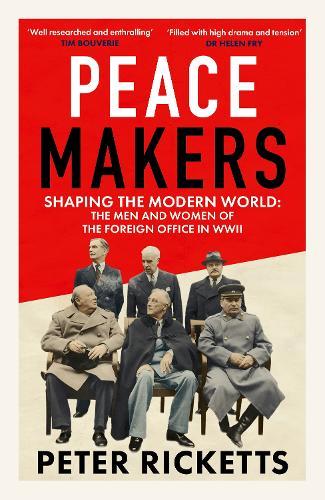
Peace Makers
Shaping the modern world: the men...
Hardback
$49.99
Not in-store but you can order this
Global Trends
Prospects for Development and Peace:...
Paperback
$41.95
Not in-store but you can order this
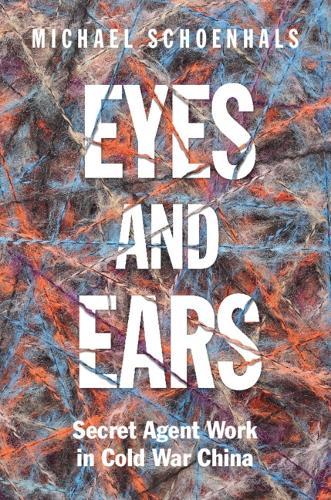
Eyes and Ears
Secret Agent Work in Cold War China...
Paperback
$92.95 $79.39
Not in-store but you can order this
Not Always Diplomatic
An Australian Woman's Journey through...
Paperback
$29.99
Not in-store but you can order this
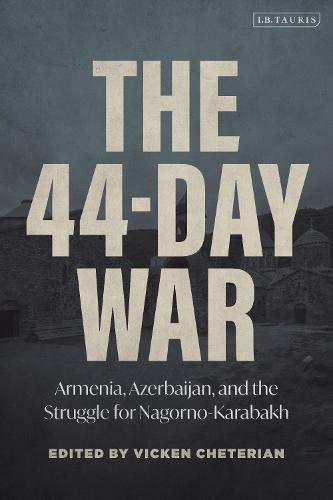
The 44-Day War
Armenia, Azerbaijan, and the Struggle...
Hardback
$130
Not in-store but you can order this