Bargains! PROMOTIONS


Pierre-Joseph Proudhon was a French philosopher, economist, and political thinker best known for laying the foundation of mutualist philosophy and playing a pivotal role in the early development of anarchist thought. He was the first individual to identify himself as an anarchist and is frequently recognized as one of the most influential theorists within the anarchist movement. His work engaged deeply with themes of social justice, economic reform, and critiques of private property, often positioning him in dialogue - and sometimes conflict - with other major socialist and revolutionary figures of his time. Proudhon's ideas contributed significantly to later thinkers and movements, influencing prominent figures in both anarchist and Marxist traditions. Through his prolific writings, he aimed to challenge authoritarian structures and propose alternatives rooted in cooperation, reciprocity, and decentralized forms of organization. Despite operating in a time of political upheaval and rigid hierarchies, his vision of a society based on mutual aid and voluntary association remains a cornerstone in political philosophy. His legacy continues to resonate in contemporary discussions of stateless governance, worker self-management, and economic equality.
A New Miscellany-at-Law
Yet Another Diversion for Lawyers...
Hardback
$140
Not in-store but you can order this
The Notary Public Official Logbook-Black...
Paperback
$66.95 $57.11
Not in-store but you can order this
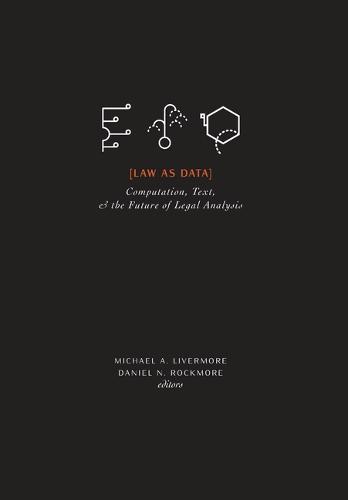
Law as Data
Computation, Text, & the Future...
Hardback
$56.95
Not in-store but you can order this
The Official Notary Public Journal-Grey...
Hardback
$85.95 $73.43
Not in-store but you can order this
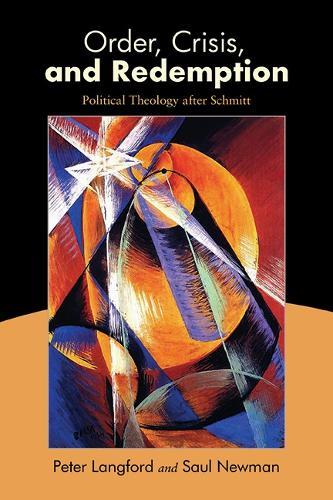
Order, Crisis, and Redemption
Political Theology after Schmitt...
Paperback
$89.95
Not in-store but you can order this
Ending Isolation
The Case Against Solitary Confinement...
Paperback
$34.95
Not in-store but you can order this