Beat the rise! Delivery fees are going up soon.


Dr. Tennant received her PhD from Cornell University were she also completed her postdoc prior to returning to Jamaica as a Professor within the Life Sciences at The University of the West Indies. She has been a Visiting Scientist at Cornell University, US Pacific Basin Agricultural Research Center, and Texas A&M and a visiting lecturer at the Universidad de Los Andes, Venezuela. She has edited or co-edited 6 books and contributed chapters to an additional 7 volumes. She has received numerous awards, including Principal’s Award for the Best Publication, Principal’s Award for the Most Outstanding Researcher, HKA Career Hall of Fame Award, and Faculty’s Award for Outstanding Achievement. Dr. Gustavo Fermin is currently the Programme Coordinator of the United Nations University Biotechnology Programme for Latin America and the Caribbean (UNU-BIOLAC). Dr. Fermin is a Biologist from Universidad de Los Andes (ULA), where he also obtained an MSc in Molecular Biology– shortly after which he began his doctoral studies at Cornell University in Ithaca and Geneva, New York. His research in New York and later in Hawaii with Dr. Dennis Gonsalves focused on creating and molecularly characterising transgenic plants resistant to one or several viruses simultaneously thanks to engineered native or synthetic transgenes. He has taught genetics, genetic engineering, molecular ecology and bioethics, among other advanced courses. An important part of his work has dealt with the education and training of young students in Latin America (Venezuela, El Salvador, Colombia, etc.), and more recently in Africa where he taught at the African-American University of Central Africa (Equatorial Guinea). Dr. Jerome Foster is currently the Biochemistry Coordinator in the Department of Preclinical Sciences, Faculty of Medical Sciences at the University of the West Indies (UWI), St. Augustine campus where he teaches molecular biology and other health-related biochemistry topics. He has expertise in molecular genetics with over two decades of experience generating and analysing viral sequence data using phylogenetic techniques with much of his work focused on pathogens among alphaviruses, coronaviruses and flaviviruses, such as dengue viruses.
Biosafety Level 4
BSL4 – Virus Research at the Highest...
Hardback
$327.95
Not in-store but you can order this
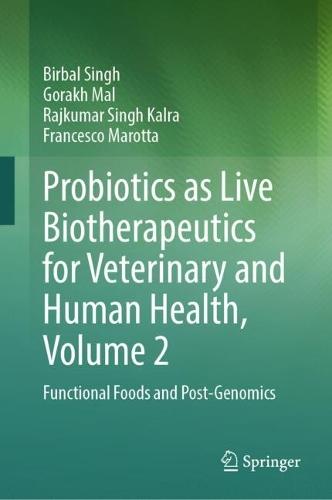
Probiotics as Live Biotherapeutics...
Functional Foods and Post-Genomics...
Hardback
$490.95 $392.41
Not in-store but you can order this
Antimicrobial Peptides
Clinical Prospects in Combating...
Hardback
$373.95
Not in-store but you can order this
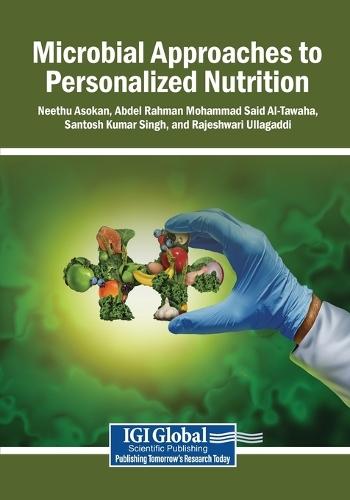
Microbial Approaches to Personalized...
Paperback
$586.95 $469.30
Not in-store but you can order this
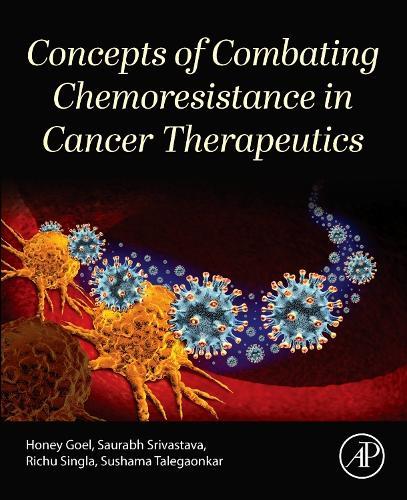
Concepts of Combating Chemoresistance...
Paperback
$334.95
Not in-store but you can order this