Bargains! PROMOTIONS


Reed Gochberg is a Lecturer on history and literature at Harvard University. Her research and teaching focus on American studies, museum studies, and material culture.
"...One could easily imagine her book ""sparking"" many fruitful inquiries into more concrete practices. * Caitlin Galante DeAngelis Hopkins, New England Quarterly * Useful Objects itself functions as a kind of museum, bringing together different museums and modes of understanding in order to see what ""sparks"" arise. * E. Thomas Finan, ALH Online Review * Reed Gochberg's rich and complicated Useful Objects: Museums, Science, and Literature in Nineteenth-Century America took me back to that odd classroom moment and underlined the significance of the difference between a subject, who is curious, and an object who has become a curiosity to others. * Ann Fabian, American Historical Review *"
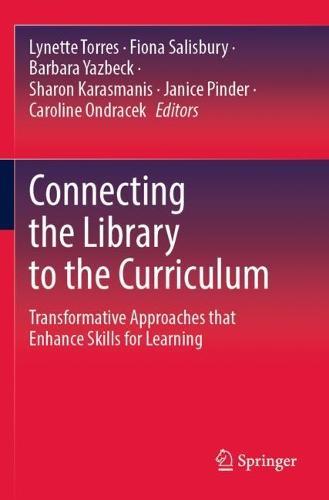
Connecting the Library to the Curriculum...
Transformative Approaches that Enhance...
Paperback
$206.95 $165.78
Not in-store but you can order this
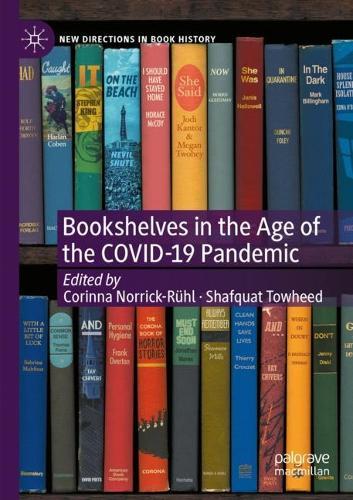
Bookshelves in the Age of the COVID-19...
Paperback
$251.95 $201.58
Not in-store but you can order this
Theoretical and Conceptual Frameworks...
Paperback
$413.95 $331.22
Not in-store but you can order this
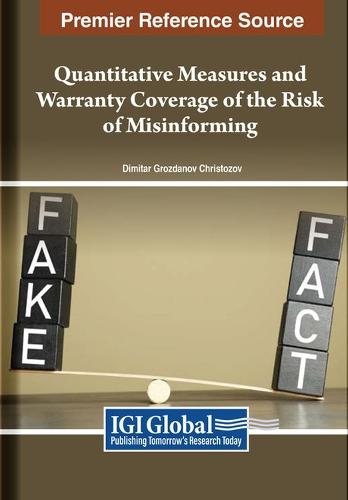
Quantitative Measures and Warranty...
Hardback
$551.95 $441.62
Not in-store but you can order this