Beat the rise! Delivery fees are going up soon. INFO


Stanley Dubinsky has taught Linguistics at the University of South Carolina since 1991. He has lived 'a life in language,' with a BA in Spanish & Latin American Literature and Asian Studies (from Hebrew University – Jerusalem), an MA in Chinese Literature, and a PhD in Linguistics (both from Cornell).
'This book introduces linguistics in a humorous way, using dad jokes, running jokes, and visuals to bring the subject to life. Viewing linguistics through humor makes what can sometimes be a tough subject more accessible and enjoyable - I only wish a resource like this existed when I was studying general linguistics.' Delia Chiaro, University of Bologna 'Stan Dubinsky is one of the most original and creative linguists active today. Teaching linguistics can be a dull, technical exercise for students not already committed to the minute analysis of the world's languages. But teaching it through humor is a brilliant idea, as seen in the success of the first edition of this book. With this second edition, Dubinsky has managed to improve what was already excellent into a truly outstanding pedagogical resource. I highly recommend this.' Daniel L. Everett, Bentley University 'The idea of introducing the field of linguistics through humor is one thing. Pulling it off is another. Stan Dubinsky has managed to do just that, to both teach and entertain. My hat goes off to him.' Mark Aronoff, Stony Brook University 'Many people who want to learn more about language find it difficult to engage with typical linguistics textbooks which adopt relatively abstract and general perspectives. This book takes a different approach, grounding its discussions in real-world examples - and often very funny ones - in order to open up the world of linguistics to readers who would otherwise drift away from a more standard text.' Jeff Good, University at Buffalo
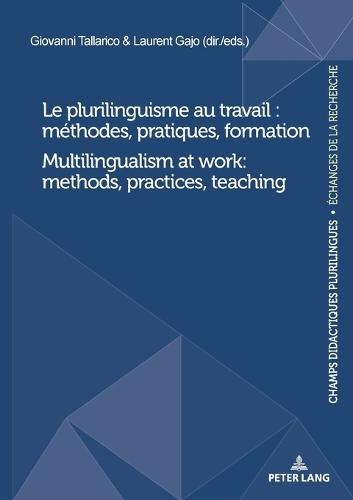
Le plurilinguisme au travail
méthodes, pratiques, formation /...
Paperback
$91.95 $78.47
Not in-store but you can order this
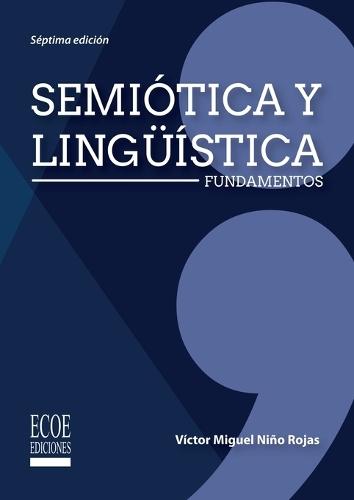
Semiótica y lingüística - 7ma edición...
Paperback
$58.95 $50.18
Not in-store but you can order this
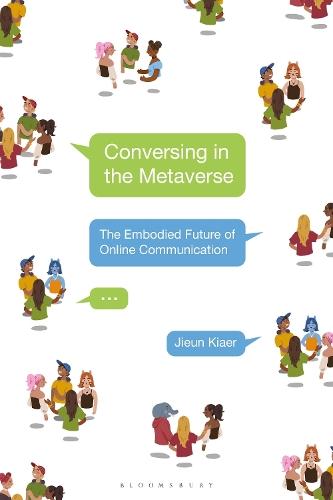
Conversing in the Metaverse
The Embodied Future of Online Communication...
Paperback
$59.99
Not in-store but you can order this