PRIZES to win! PROMOTIONS


Ulrich Muther was born on July 21st, 1934 in Binz on the island of Rugen. At 17 Muther began his training as an engineer at the engineering school in Neustrelitz where he acquired his first knowledge of statics and engineering. During his studies in Dresden Muther directed his attention to shell constructions made of concrete. In 1963 he realised the idea in his final paper in the form of a roof for the multi-purpose hall of the vacation home, Haus der Stahlwerker (House of the Steelworkers) in Binz. It is considered the first hypar shell structure made of reinforced concrete in the GDR. With the construction of the hall for the Baltic Sea Fair in Rostock Schutow in 1966, Muther layed the foundation stone for his continued success and began to attract the attention of professional circles within the GDR. In the sixties and seventies Muther's shell constructions provided the ideal architectural touch for the new socialist Germany as a foil to West Germany. The minimal deployment of materials that were scarce to begin with fit in perfectly in the context of the generally promoted rationalisation in construction.
The Autobiography of Indra B. Tamang...
My Curious Years with Charles Henri...
Paperback
$39.99
Not in-store but you can order this
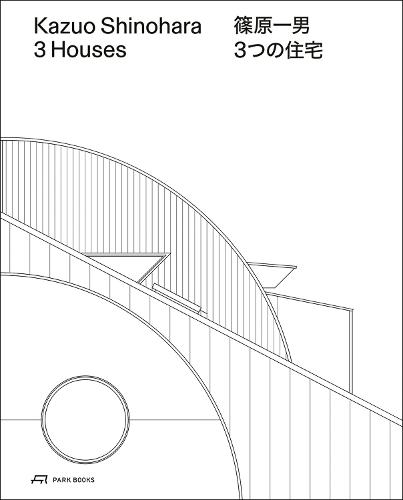
Kazuo Shinohara – 3 Houses. 2nd...
House in White, House in Uehara,...
Address book
$250
Not in-store but you can order this
Suspended Moment
The Architecture of Frida Escobedo...
Paperback
$51.95
Not in-store but you can order this
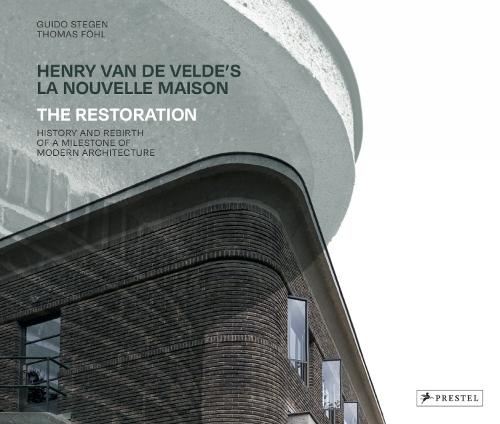
Henry van de Velde's La Nouvelle...
The Restoration. History and Rebirth...
Hardback
$140
Not in-store but you can order this
Klein Dytham architecture
to Tokyo and Beyond
Other merchandise
$135
Not in-store but you can order this