Bargains! PROMOTIONS


Darryl W. Stephens teaches ministerial ethics at Lancaster Theological Seminary, Moravian University, in Pennsylvania, USA
Historically grounded and oriented toward liberation and justice, Stephens offers an excellent entrée into understanding the importance of trauma-informed Christian ethics, while also expanding how we think about trauma by moving from the personal (intimate violence) to the structural (climate change) to the sacred (clergy abuse). In promoting a Christian witness of radical empathy, Stephens challenges readers to take up the task of bearing witness and offers readers tools for developing a trauma-informed Christian ethic that can help Christian leaders and congregations move toward moral repair and restorative justice. It is indispensable reading for shaping ministries of compassion and justice in a world where too many people have experienced violence and exploitation. * Rebecca Todd Peters, Elon University, USA *
William Ewart Gladstone
The Heart and Soul of a Statesman...
Hardback
$68.95
Not in-store but you can order this
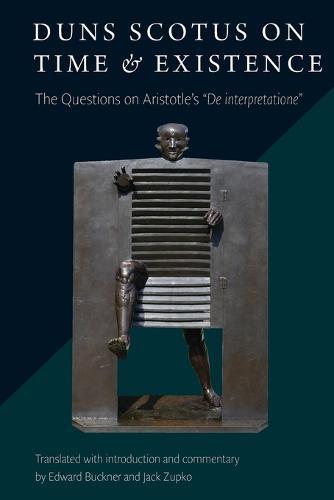
Duns Scotus on Time and Existence...
The Questions on Aristotle's 'De...
Paperback
$124.95
Not in-store but you can order this
Participation in God
A Study in Christian Doctrine and...
Paperback
$71.95
Not in-store but you can order this
The Fourth Synoptic Gospel
John's Knowledge of Matthew, Mark,...
Paperback
$67.95
Not in-store but you can order this