Bargains! PROMOTIONS


Dr Adam E. M. Eltorai, MD, PhD completed his graduate studies in Biomedical Engineering and Biotechnology along with his medical degree from Brown University. His work has spanned the translational spectrum with a focus on medical technology innovation and development. Dr. Eltorai has published numerous articles and books. Dr Jeff Bakal PhD, P.Stat. is the Program Director for Provincial Research Data Services at Alberta Health Services which operates the Alberta Strategy for Patient Oriented Research (SPOR) data platform and Health Service Statistical & Analytics Methods teams. He has over 10 years of experience working with Health Services data and Randomized Clinical Trials. He completed his PhD jointly with the Department of Mathematics and Statistics and the School of Physical Health and Education at Queen's University. He has worked on the methodology and analysis of several international studies in business strategy, ophthalmology, cardiology, geriatric medicine and the analysis of kinematic data resulting in several peer reviewed articles and conference presentations. His current interests are in developing statistical methodology for time-to-event data and the development of classification tools to assist in patient decision making processes. Thomas Ng is the Eastridge-Cole Professor of Thoracic Surgery and Chief of the Division of Thoracic Surgery at the University Tennessee. He received has extensive expertise in minimally invasive and robotic thoracic surgery and is a strong clinical researcher with over 80 peer-reviewed publications. He is highly committed to medical education and is a 4-time recipient of the Brown Medical School Department of Surgery-Outstanding Teaching Faculty Award and is also a 4-time winner of the Deans Excellence in Teaching Award. Dr Sellke is the Karl Karlson and Gloria Karlson Professor and Chief of Cardiothoracic Surgery at Brown Medical School and the Lifespan Hospitals. Dr Sellke is a native of Indiana and graduated from Wabash College and Indiana University School of Medicine. He is a noted clinical cardiothoracic surgeon, researcher, and author. Dr Sellke was the Chief of Cardiothoracic Surgery at Beth Israel Deaconess Medical Center and the Johnson and Johnson Professor of Surgery at Harvard Medical School prior to moving to Brown. His research interests include the regulation of the microcirculation in health and disease, ischemic injury and inflammation during cardiac surgery, collateral vascular formation and the use of growth factors and cell therapy to increase blood flow to ischemic tissue. His clinical research interests include optimizing outcomes after cardiac surgery, the reduction of bleeding and transfusion, and neurocognitive dysfunction and atrial fibrillation after surgery. Dr Sellke has been continuously funded by the National Institutes of Health for 28 years. He serves as Associate Editor for the Journal of Thoracic and Cardiovascular Surgery, Circulation Heart Failure and the Circulation Journal. He is on the editorial board of Circulation, Surgery, the Canadian Journal of Cardiology, and the Journal of Cardiac Surgery. He is the Editor of the 7th, 8th, 9th and 10th editions of Sabiston and Spencers' Surgery of the Chest, the 1st and 2nd editions of the Atlas of Cardiac Surgical Techniques, and he is completing work on a textbook on Acute Aortic Dissection and Acute Aortic Syndromes with international contributors. Dr. Sellke is the author of more than 525 peer-reviewed journal articles, as well as numerous book chapters and abstracts. He is the Past Chairman of the Executive Committee of the Council on Cardiovascular Surgery and Anesthesia of the American Heart Association and the Past Chairman of the Advisory Council on Cardiothoracic Surgery of the American College of Surgeons. Sellke has served on the Board of Governors of the American College of Surgeons and is was Chairman of its Humanitarian and Volunteerism Awards Committee, past-Chairman of the American Heart Association Committee on Scientific Sessions Program. He is the current Chairman of the Data Safety Monitoring Committee of the National Institutes of Health Cardiac Surgery Network and served on the Bioengineering, Technology and Surgical Science study section of the NIH. He is the Past-President of the Massachusetts Society of Thoracic Surgeons, past President of the Northeast Cardiothoracic Surgical Society and is a member of numerous other organizations including the American Association for Thoracic Surgery, Society of University Surgeons, and the American Surgical Association. Dr. Sellke is a fellow of the American College of Cardiology, the American College of Chest Physicians, American Heart Assocation, and the American College of Surgeons.
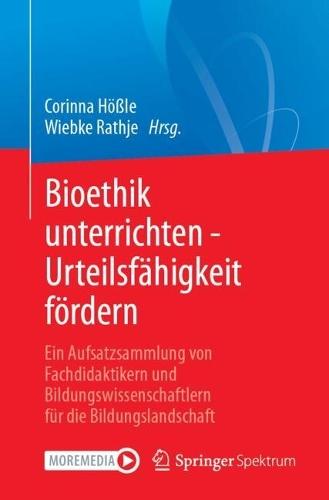
Bioethik unterrichten - Urteilsfähigkeit...
Ein Aufsatzsammlung von Fachdidaktikern...
Paperback
$51.95 $44.34
Forthcoming
You can preorder this
Spielend gewinnen
Gewinnstrategien für die bekanntesten...
Paperback
$44.95 $38
Forthcoming
You can preorder this
The Elephant and the Dragon in Contemporary...
A Call for Decolonising Global Governance...
Paperback
$70
Forthcoming
You can preorder this
Hope Dies Last
Visionary People Across the World,...
Hardback
$55
Forthcoming
You can preorder this