Bargains! PROMOTIONS


A. Kayum Ahmed is a South African activist-scholar and the author of a children’s book, A Is for Amandla: The ABC Guide for Young Revolutionaries (and Their Parents). He has taught at Columbia University and held visiting scholar roles at Birzeit University and Harvard University. Kayum previously served as CEO of the South African Human Rights Commission.
Theorizing Fallism captures the alchemy of study and struggle, following students who force universities to confront their own contradictions. By centering movements across time and place, Ahmed exposes how universities fetishize freedom while reproducing domination—and how collective refusal turns campuses, classrooms, and encampments into experiments in decolonial world-making. Essential reading for everyone who cares about the future of the university! -- Ruha Benjamin, author of <i>Imagination: A Manifesto</i> Theorizing Fallism is a vital archive of how contemporary student movements rename, occupy, and reimagine space as theory. From Azania House at the University of Cape Town, to Columbia’s The People’s University, Ahmed shows students reconfiguring the university’s physical and ideological architecture, exposing institutional complicity while advancing alternative visions of education, solidarity, and justice beyond the university’s limits. -- Simamkele Dlakavu, author of <i>Asijiki: Black Women in the Economic Freedom Fighters, Owning Space, Building a Movement</i> Rich in primary source material, including the voices of student and worker activists, Theorizing Fallism serves as an invaluable archival resource on the evolution of the Rhodes Must Fall movements at University of Cape Town and Oxford. Ahmed meticulously documents events, timelines, ideas, and debates in a manner that equips scholars to grasp the context, significance, and legacy of the movement. -- Anye-Nkwenti Nyamnjoh, Researcher, University of Capetown Ahmed treats student movements as sites of knowledge production, linking Rhodes Must Fall to pro-Palestinian encampments that reclaim colonial space through public pedagogy. Framed as deliberate political projects rather than spontaneous eruptions, these movements reveal students’ generative power to exceed colonial imaginaries in the pursuit of a more just future. -- Sueda Polat, Organizer, Columbia University Apartheid Divest (CUAD)
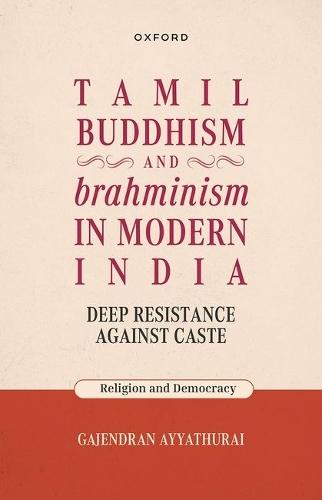
Tamil Buddhism and brahminism in...
Deep Resistance against Caste
Hardback
$282.95
Not in-store but you can order this
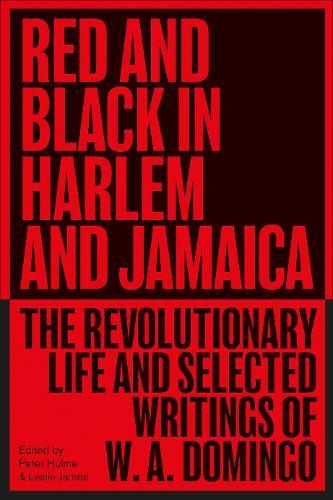
Red and Black in Harlem and Jamaica...
The Revolutionary Life and Selected...
Paperback
$51.95
Not in-store but you can order this
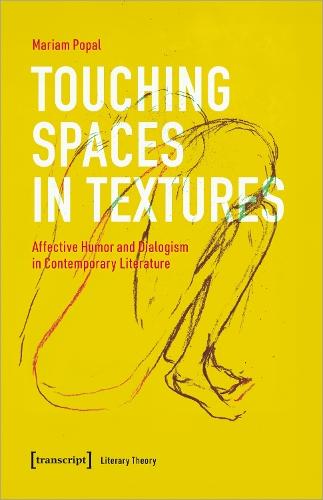
Touching Spaces in Textures
Affective Humor and Dialogism in...
Paperback
$99.95
Not in-store but you can order this
Liberty’s Exiles
The Loss of America and the Remaking...
Paperback
$24.99
Not in-store but you can order this
Broken Archangel
The Tempestuous Lives of Roger Casement...
Paperback
$29.99
Not in-store but you can order this