Beat the rise! Delivery fees are going up soon. INFO


Anthony Mwangi - the BRANCH seated in Zion - is a prophetic teacher and writer dedicated to unveiling the hidden mysteries of God's Word in this generation. His writings are masterpieces forged in fire, carrying a deep spiritual revelation that restores identity, order, and covenant truth to the body of Christ. Through the 7-dimensional Word of God, Anthony reveals how Scripture unfolds across spirit, soul, body, and time, guiding readers into the beauty of holiness, the rest of the Sabbath, and the government of God in Zion. His works are marked by clarity, depth, and prophetic authority, inviting believers into a deeper walk with Christ as the Lamb enthroned on Mount Zion. More than an author, Anthony Mwangi carries a calling as a prophetic witness to the nations - a voice declaring the Father's Name and restoring the lost foundations of truth. His books are not mere words on paper, but living altars of fire where revelation meets transformation. When readers encounter his writings, they are drawn into a journey of worship, warfare, and wisdom - equipping the remnant of God to stand in holiness and reign with Christ in the last days.
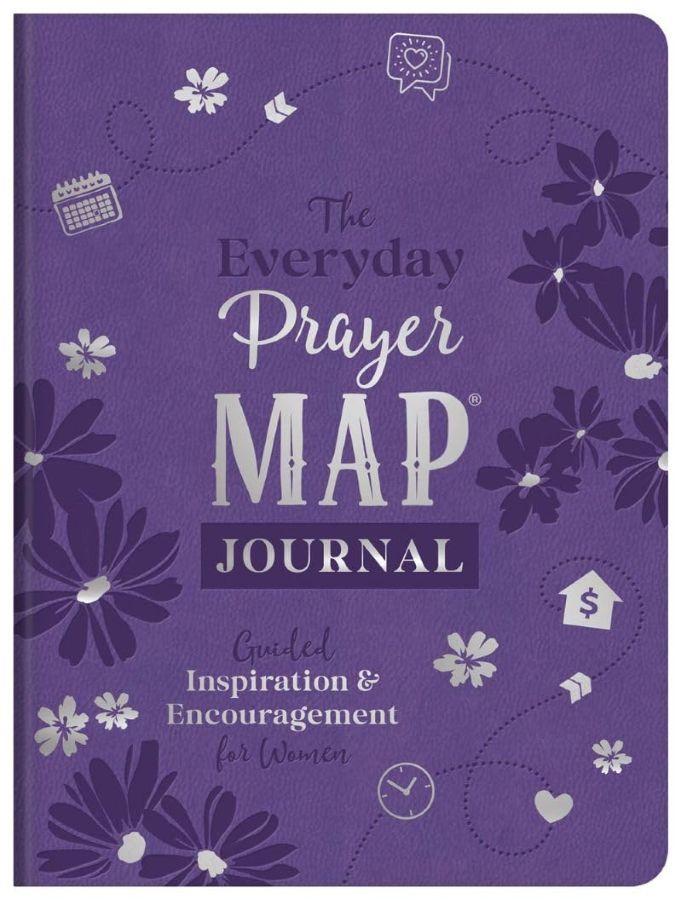
Everyday Prayer Map Journal
Guided Inspiration and Encouragement...
Paperback
$39.99
Not in-store but you can order this
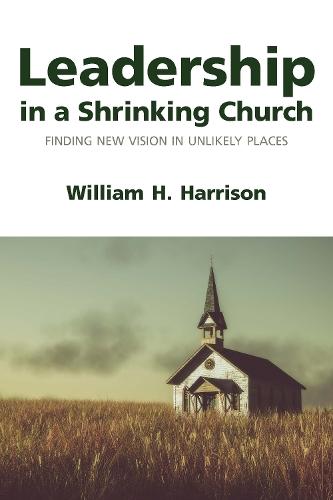
Leadership in a Shrinking Church...
Finding New Vision in Unlikely Places...
Paperback
$69.99
Not in-store but you can order this
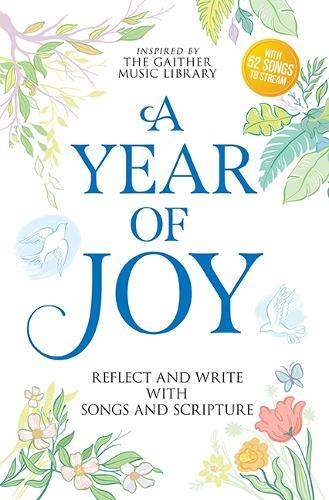
A Year of Joy
Reflect and Write with Songs and...
Address book
$39.99
Not in-store but you can order this