PRIZES to win! PROMOTIONS


Michael W. Traugott, PhD, is a political scientist and survey methodologist. He is professor emeritus at the University of Michigan. He has served as the president of the American Association for Public Opinion Research (AAPOR) and the World Association for Public Opinion Research. Paul J. Lavrakas, PhD, is a research psychologist and methodological research consultant. He was the founding faculty director of survey centers at Northwestern and Ohio State universities, a chief methodologist for Nielsen Media Research, as well as former president of the AAPOR.
""The Voter's Guide to Election Polls is an accessible text that stands as a valuable resource for anyone interested in understanding how polling works and the role it plays in informing electoral politics. It is notable that the authors discuss essential terminology and concepts using timely examples that help readers make connections to modern electoral politics while also illuminating the practice of survey research generally, since it has applications beyond the political sphere. Consequently, this text efficiently traverses many academic domains as well as being of potential interest to the discerning non-academician who wants to know how polling works."" --Amy Sue Goodin, University of Oklahoma ""In a political environment where anyone can run a 'poll, ' public trust in survey research has declined. The Voter's Guide to Election Polls offers a comprehensive review of survey research and practice in a way that is accessible and useful to consumers of polls. Traugott and Lavrakas' book is a powerful tool to clarify misconceptions about the science of polling, especially in the context of political campaigns."" --Thessalia Merivaki, Mississippi State University ""A simple fact about survey research and polling is that journalists, students, and citizens alike need to know how survey data were gathered and analyzed to accurately judge their quality. The science of survey research and polling has advanced rapidly over the years as researchers have adjusted to changes in the telephone system, people's communication habits, and expectations of privacy, among many other things. The authors present a clear guide to these matters. Mike and Paul--now in their sixth edition of this very useful book--are world-class experts who have vast professional experiences related to the issues they discuss."" --Gerald M. Kosicki, Ph.D., Director of Journalism Programs, School of Communication, The Ohio State University ""This highly accessible guide offers a comprehensive overview of the good, the bad, and the ugly of election polling. The book clearly explains foundational concepts necessary to understand current controversies in political polling. It is a classic source for any course in public opinion or campaigns and elections. Traugott and Lavrakas's years of experience shine through these pages."" --D. Sunshine Hillygus, Duke University A simple fact about survey research and polling is that journalists, students, and citizens alike need to know how survey data were gathered and analyzed to accurately judge their quality. The science of survey research and polling has advanced rapidly over the years as researchers have adjusted to changes in the telephone system, people's communication habits, and expectations of privacy, among many other things. The authors present a clear guide to these matters. Mike and Paul--now in their sixth edition of this very useful book--are world-class experts who have vast professional experiences related to the issues they discuss. In a political environment where anyone can run a 'poll, ' public trust in survey research has declined. The Voter's Guide to Election Polls offers a comprehensive review of survey research and practice in a way that is accessible and useful to consumers of polls. Traugott and Lavrakas' book is a powerful tool to clarify misconceptions about the science of polling, especially in the context of political campaigns. The Voter's Guide to Election Polls is an accessible text that stands as a valuable resource for anyone interested in understanding how polling works and the role it plays in informing electoral politics. It is notable that the authors discuss essential terminology and concepts using timely examples that help readers make connections to modern electoral politics while also illuminating the practice of survey research generally, since it has applications beyond the political sphere. Consequently, this text efficiently traverses many academic domains as well as being of potential interest to the discerning non-academician who wants to know how polling works. This highly accessible guide offers a comprehensive overview of the good, the bad, and the ugly of election polling. The book clearly explains foundational concepts necessary to understand current controversies in political polling. It is a classic source for any course in public opinion or campaigns and elections. Traugott and Lavrakas's years of experience shine through these pages.
Vote Gun
How Gun Rights Became Politicized...
Hardback
$57.95
Not in-store but you can order this
Intifada on the Hudson
The Selling of Zohran Mamdani
Paperback
$50.95 $43.20
Not in-store but you can order this
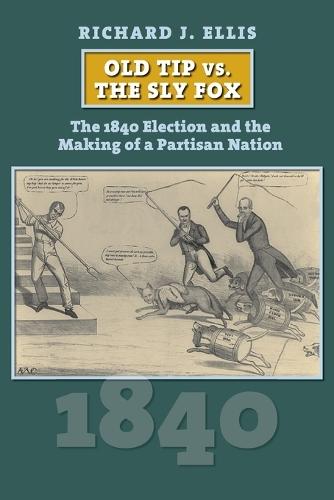
Old Tip Vs. the Sly Fox
The 1840 Election and the Making...
Paperback
$89.95 $76.65
Not in-store but you can order this
The 2024 Presidential Campaign
A Communication Perspective
Paperback
$82.95
Not in-store but you can order this
Power Concedes Nothing
How Grassroots Organizing Wins Elections...
Paperback
$39.99
Not in-store but you can order this