Bargains! PROMOTIONS


Jeff Kosseff is Assistant Professor in the US Naval Academy's Cyber Science department, where he teaches cybersecurity law. He has practiced technology and First Amendment law, and clerked for Judges Milan D. Smith, Jr. of the US Court of Appeals for the Ninth Circuit, and Leonie M. Brinkema of the US District Court for the Eastern District Court of Virginia. He was a finalist for the Pulitzer Prize for National Reporting and the recipient of the George Polk Award in National Reporting.
A comprehensive, thoughtful and greatly needed treatment of the the law that gave birth to the internet as we know it. This book is bound to shape the conversation about the nature of online activity for years to come. -- Joseph E. Kennedy, University of North Carolina School of Law As the debates over the future of platform and edge provider regulation simmer, this book provides an important look at the twenty-six words that created the internet and protect the flow of speech online. -- Christopher Terry, University of Minnesota Hubbard School of Journalism & Mass Communication Jeff Kosseff's behind-the-scenes reportage spotlights the foundational law, Section 230, that made the modern internet possible. Kosseff emphasizes the law's boundless virtues and just as helpfully acknowledges its occasional weaknesses. He shows how 230 has shaped an internet that empowers everyone to speak freely, to hold governments and powerful private actors accountable, and to build the next Facebook, Google, or Wikipedia. -- Mike Godwin, R Street Institute Jeff Kosseff's vital book helps readers imagine the history and remember the future of the Communications Decency Act 230. It's an admirably readable and judiciously documented 'biography' of the uniquely American Internet law. The book couldn't be globally more relevant, since cyberlaw is still evolving in many countries. Its contextual discussion of Americans' 230 experience illuminates why and how the United States continues to serve as the world's fascinating free-speech laboratory. -- Kyu Ho Youm, University of Oregon Jeff Kosseff's latest is essential reading. His deft and insightful work chronicles the unexpected tale of how just twenty-six words in the Communications Decency Act of 1996 changed online speech forever. All thoughtful lawmakers, tech executives, and concerned citizens need to grapple with how we got here. -- Cyrus Farivar, author of <I>Habeas Data</I> Jeff Kosseff's richly detailed history of Section 230 is a gift to anyone seeking to understand how the Internet became what it is, what it could have been, and what it could be. -- Mary Anne Franks, Cyber Civil Rights Initiative, author of <I>The Cult of the Constitution</I> This book is important and timely. Kosseff clearly and concisely explains the complicated history of Section 230, and how its 'safe harbor' created the internet as we know it today. But he also acknowledges that Section 230 can shield terrible crimes and impose other social costs that we must mitigate. -- Brian L. Frye, University of Kentucky The Twenty Six Words that Created the Internet provides a timely reminder that the questions we now face about platforms, speech, and harm are not new. A combination of detective work, investigative journalism, and historical documentation, Kosseff's book is frank about the law's shortcomings even as it is persuasive about its overall value. -- Daphne Keller, Stanford Center for Internet and Society So much of our life today-our reputation, networks, and livelihood-is mediated by our online presence. Kosseff's excellent and well-researched book should thus be read by anyone interested in online regulation. It is a joy to read. -- Orly Lobel, author of <I>You Don't Own Me</I> Most people benefit from Section 230 every hour, but are unaware it even exists. Jeff Kosseff's new book provides the first-ever comprehensive history of this monumentally important law. The book's lucid and reader-friendly style will fully engage Section 230 newcomers; while the book's many never-before-publicized details will enlighten Section 230 enthusiasts. -- Eric Goldman, Santa Clara University Kosseff's book is timely, given the intensifying debate about whether Congress should find ways to hold Internet companies accountable for third-party speech that harms individuals and society as a whole. But the book's value goes beyond timing. The author's background as a journalist and his current roles as a professor and a lawyer enable him to produce an engaging narrative that explains the law clearly and compels us to think about speech in the modern age and who is responsible when it is harmful. * The Washington Post * Kosseff has a thorough grasp of his material, and readers will find his exploration of Section 230 balanced, timely, and consistently thought-provoking. * Publishers Weekly *
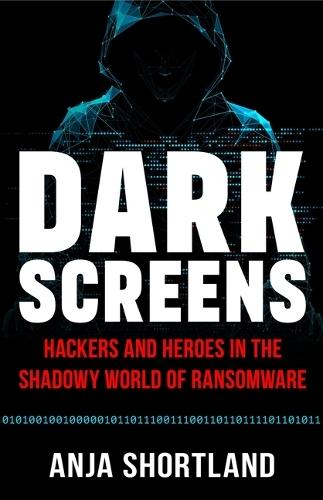
Dark Screens
Hackers and Heroes in the Shadowy...
Hardback
$62.95
Not in-store but you can order this
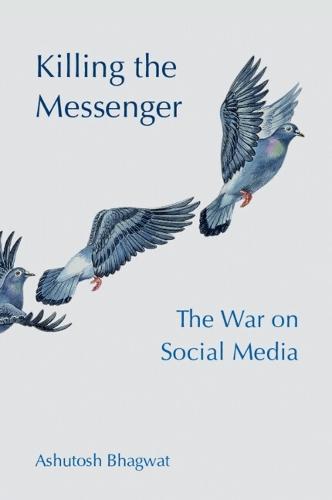
Killing the Messenger
The War on Social Media
Paperback
$76.95 $65.45
Not in-store but you can order this
How to Beat Scammers
The Complete Guide to Keeping Yourself...
Paperback
$32.99
Not in-store but you can order this