Bargains! PROMOTIONS


Malutafa Faalili is a lecturer in Old Testament Studies, Language and Literature at Malua Theological College in the islands of Samoa and an Ordained Minister of the Congregational Christian Church Samoa.
Malutafa Faalili’s rigorous analysis of the rhetoric of the Hebrew text of Haggai and well-researched discussion of its’ socioeconomic context will be of interest, not only to specialists in Haggai and Marxist criticism, but to everyone concerned with decolonizing biblical interpretation. His discussions of the dynamics of honor and shame, social groups, imperial, royal, and family ideologies, different economies, and cultural transformation are as interesting as they are insightful. * Arthur Walker-Jones University of Winnipeg * Politics in the Book of Haggai takes political exegesis to a whole new level. Reading Haggai through Jameson's hermeneutic of History, Faalili patiently works away at the text until it reveals its political unconscious: the reluctance of the people to build the temple. This reading confidently speaks to and from the social, political, and economic context of Samoa and questions the need for colonial treasure houses in struggling communities. This implicates us all. * Christina Petterson, Ilisimatusarfik, University of Greenland *
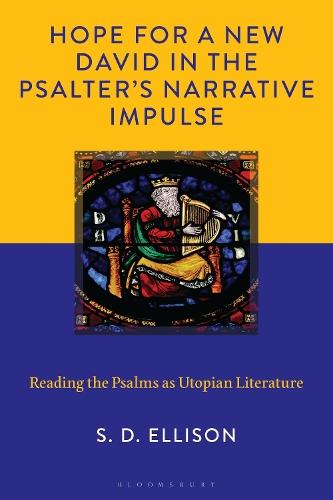
Hope for a New David in the Psalter's...
Reading the Psalms as Utopian Literature...
Hardback
$180
Not in-store but you can order this
Life in the Psalms
Contemporary Meaning in Ancient...
Paperback
$39.95
Not in-store but you can order this
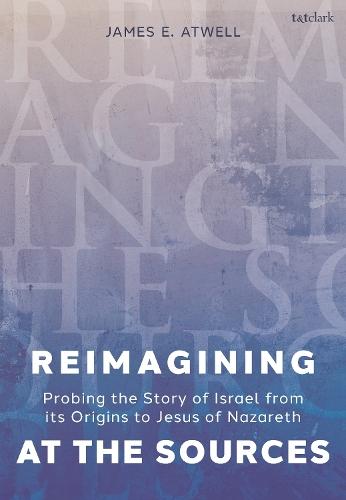
Reimagining at the Sources
Probing the Story of Israel from...
Paperback
$79.99
Not in-store but you can order this
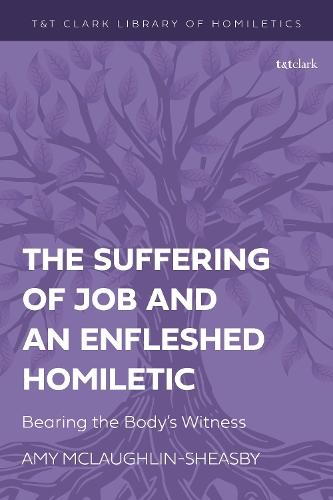
The Suffering of Job and an Enfleshed...
Bearing the Body’s Witness
Hardback
$180
Not in-store but you can order this