PRIZES to win! PROMOTIONS


Cyril G. Hopkins was an agricultural chemist, educator, and researcher known for his significant contributions to the study of soil fertility and sustainable farming. His work focused on applying scientific methods to agriculture, emphasizing the importance of chemistry and biology in maintaining productive land. As a pioneering figure in agricultural education, he devoted his career to demonstrating how research and experimentation could solve practical farming problems. Hopkins's writings and teachings encouraged farmers to understand the soil as a living system, advocating for the use of crop rotation, nutrient management, and soil testing to ensure long-term productivity. He played a key role in bridging the gap between theoretical science and real-world agricultural application, helping to shape modern agronomy. His belief in education as a tool for agricultural improvement influenced both policy and practice, inspiring generations of scientists and farmers. Through his dedication to combining research with practical knowledge, Hopkins left a lasting legacy that continues to guide sustainable agriculture and environmental stewardship.
Soil Science for Gardeners
Working with Nature to Build Soil...
Paperback
$34.99
Not in-store but you can order this
Deep Marine Systems
Processes, Deposits, Environments,...
Paperback
$128.95
Not in-store but you can order this
Sedimentary Rocks in the Field
A Practical Guide
Paperback
$65.95
Not in-store but you can order this
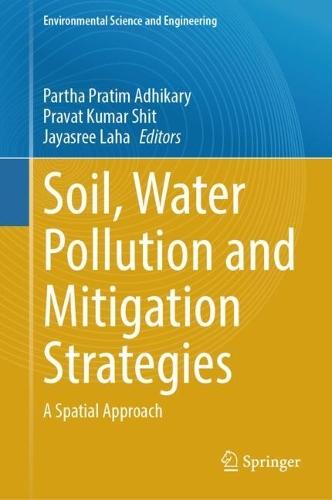
Soil, Water Pollution and Mitigation...
A Spatial Approach
Hardback
$385.95 $308.92
Not in-store but you can order this
Advanced Statistical Analysis for...
Hardback
$326.95 $261.21
Not in-store but you can order this
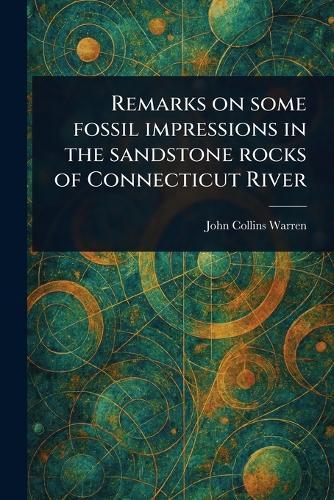
Remarks on Some Fossil Impressions...
Paperback
$39.95 $34.21
Not in-store but you can order this