Bargains! PROMOTIONS


Kathryn Gillespie is Associate Director of the Center for Food Systems Transformation at the University of San Diego and author of The Cow with Ear Tag.
“The Sound of Feathers will touch, educate, and transform a wide audience. Vibrating with a love that encompasses readers themselves, this strong, powerful, and important book is a joy to read.”—Carol J. Adams, author of The Sexual Politics of Meat: A Feminist-Vegan Critical Theory “Through deeply moving storytelling, The Sound of Feathers makes it clear that paying careful attention to, and developing deep respect for, the magnificence around us will make the world a better place—a unified community—for all to enjoy—human and nonhuman alike. It is a wonderful, thought-provoking, and powerful work of art that will change heads and hearts, rewild us, and save the world for future generations. A must read for a broad audience.”—Marc Bekoff, author of The Emotional Lives of Animals: A Leading Scientist Explores Animal Joy, Sorrow, and Empathy—and Why They Matter ""Emphasizing the importance of quiet observations of the natural world, Kathryn Gillespie’s probing, meditative nature book . . . The Sound of Feathers is a profound essay collection about the relationships between humans and animals and the need to imagine new possibilities.""—Kristen Rabe, Foreword Reviews ""These moving, often heartbreaking accounts make for a convincing call to cultivate respect for and live in harmony with other species.""—Publishers Weekly ""With carefully thought out lines of reasoning, well-bolstered with research, and beautifully precise writing, the author helps the reader understand what can separate us from the natural world and what we can do to be a better participant in that world so that all lives flourish."" —Nancy Bent, Booklist ""The Sound of Feathers makes significant contributions to environmental humanities, multispecies ethnography, and critical animal studies. Gillespie’s commitment to radical reflexivity—acknowledging her own complicity in systems of harm even as she critiques them—models the kind of honest, embodied scholarship the field needs. . . . The book will be valuable for graduate and advanced undergraduate courses in animal studies, environmental ethics, feminist theory, and qualitative methods. Scholars working at intersections of settler colonialism, capitalism, and multispecies relations will find essential interventions here.""—Lisa Jean Moore, H-Environment, H-Net Reviews
A First Book of Australian Seashore...
With speaker and buttons
Board book
$27.99
Not in-store but you can order this
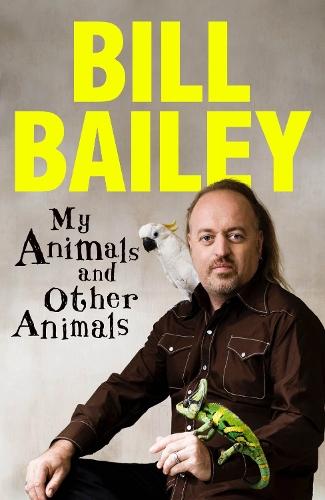
My Animals, and Other Animals
A memoir of sorts
Paperback
$24.99
Not in-store but you can order this
Compact Field Guide to Australian...
The Complete Pocket-Sized Reference...
Paperback
$34.99
In Stock 😊