Beat the rise! Delivery fees are going up soon. INFO


Nikhil Baroukh is a nonfiction writer focused on how infrastructure shapes political power over time. His work sits at the intersection of political economy and strategic analysis, with a consistent interest in the institutional details that decide outcomes long after ceremonies and communiques fade: who sets the tariff, who controls dispatch, what triggers a renegotiation, and how technical standards quietly become foreign policy.Baroukh writes in an editorial voice that treats grand geopolitical narratives as hypotheses to be tested against operating reality. He is drawn to the places where sovereignty becomes procedural - port authority offices, rail timetables, customs interfaces, and the clauses that define default and cure. Rather than assuming that connectivity is automatically beneficial, he asks how benefits are distributed, how risk is priced, and how dependency can be created without overt coercion.A recurring cultural and historical thread in his thinking is the Indian Ocean world, where older layers of empire, trade, and migration still appear in today's logistics corridors and security debates. That long view informs his emphasis on durability: the idea that infrastructure is never only concrete and steel, but an argument about the future written into governance systems. The Second Silk Net reflects that approach, offering readers concepts they can carry across regions and eras, and a way to read infrastructure deals with intellectual rigour and political realism.
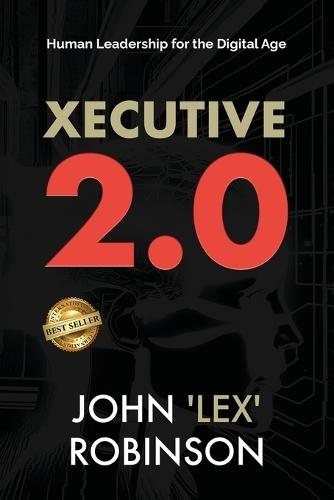
Xecutive 2.0
Human Leadership for the Digital...
Paperback
$58.95 $53.32
Not in-store but you can order this
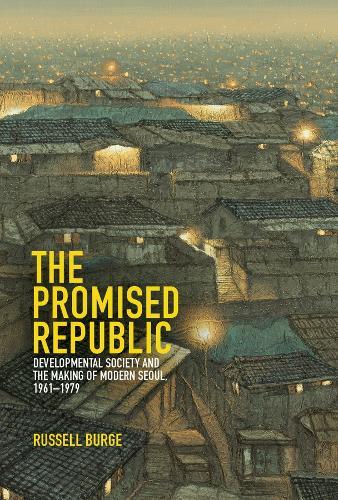
The Promised Republic
Developmental Society and the Making...
Hardback
$86.95
Not in-store but you can order this
The Science of Scaling
Using Data to Decide When -- and...
Hardback
$49.95
Not in-store but you can order this
From Poverty to Well-Being and Human...
Integrated Conceptualisation and...
Paperback
$57.95
Not in-store but you can order this