PRIZES to win! PROMOTIONS


Terry A. Cooney, author of Balancing Acts: American Thought and Culture in the 1930s, is academic vice president of the University of Puget Sound.
"""An excellent book, which works at each level on which it operates. It succeeds as a straightforward narrative account of the ""Partisan Review"" in the 1930s and 1940s. The magazine's leading voices--William Phillips, Philip Rahv, Dwight MacDonald, Lionel Trilling, and all the rest--receive their due. . . . Among the themes that engage Cooney . . . are: how they dealt with 'modernism' in culture and radicalism in politics, each on its own and in combination; how Jewishness played a complex and fascinating role in many of the thinkers' lives; and, especially, how ""cosmopolitanism"" best explains what the ""Partisan Review ""was all about.""--Robert Booth Fowler, ""Journal of American History"""
The Spirit Level
Why Equality is Better for Everyone...
Paperback
$24.99
Not in-store but you can order this
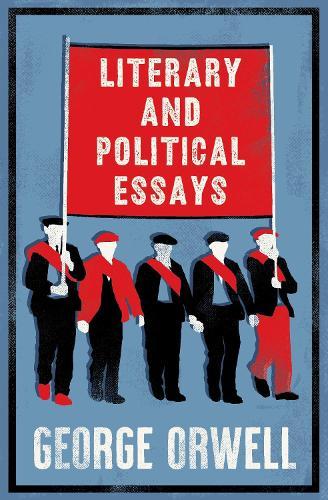
Literary and Political Essays
Fully Annotated Edition with over...
Paperback
$19.99
Not in-store but you can order this
The Power of Basketball
NBA Players, Coaches, and Team Governors...
Hardback
$49.99
Not in-store but you can order this
Stuck
How the Privileged and the Propertied...
Hardback
$71.95
Not in-store but you can order this
Stinking Rich
The Four Myths of the Good Billionaire...
Hardback
$41.95
Not in-store but you can order this
White Trash
The 400-Year Untold History of Class...
Paperback
$32.99
Not in-store but you can order this