PRIZES to win! PROMOTIONS


John Fabian Witt is the Allen H. Duffy class of 1960 professor of law at Yale Law School and a professor in the Yale history department. He is the author of a number of books, including Lincoln's Code, which was awarded the Bancroft Prize and was a finalist for the Pulitzer Prize. His writing has appeared in The New York Times, The Wall Street Journal, The Washington Post, The Atlantic, The Nation, and The New Republic, among other publications. He lives with his family in Connecticut where he tends an orchard, watches baseball, and fishes in the Long Island Sound.
""Enjoyable."" --Booklist ""Insightful... The engaging writing, paired with Witt's keen eye for the limitless effects of seemingly small historical events, make this book important for scholars and general readers alike seeking to understand American society."" --Library Journal ""Making stark the parallels he sees with the present... Witt excavates an invigorating counter-history of the American left defined by its scrappy collegiality. It's an immense and essential achievement."" --Publishers Weekly (starred review) ""Profoundly human... A reason to hope for our own future, especially if we are willing to take it into our own hands."" --Martha Jones, author of Vanguard ""A brilliant account of how one modestly endowed organization helped transform America."" --Annette Gordon-Reed, Pulitzer Prize-winning author of The Hemingses of Monticello ""A rare achievement by a gifted historian at the peak of his powers."" --David W. Blight, Pulitzer Prize-winning author of Frederick Douglass ""Original and riveting. A remarkable reminder that people who adhere to diverse ideas about how to make this a better society can--indeed must--work together to bring about social change."" --Eric Foner, Pulitzer Prize-winning author of The Fiery Trial ""This is a book to admire and read deliberately.... An important and meticulous look at the impact of a forgotten fund's revolutionary work."" --Kirkus Reviews ""Written with elegance, wit, and penetrating historical insight, this richly textured story is as useful today as a century ago."" --Nelson Lichtenstein, author of Labor's Partisans
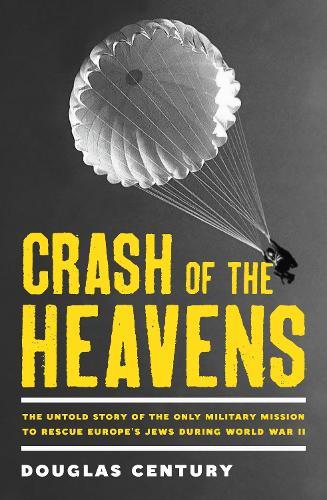
Crash of the Heavens
The Untold Story of the Only Military...
Paperback
$36.99 $29.95
In Stock 😊
The Impossible Bomb
The Hidden History of British Scientists...
Hardback
$51.95 $41.95
In Stock 😊