Beat the rise! Delivery fees are going up soon. INFO


A Shepherd is a student of the Quran and the sciences, and works in technology. He is based in the United States.
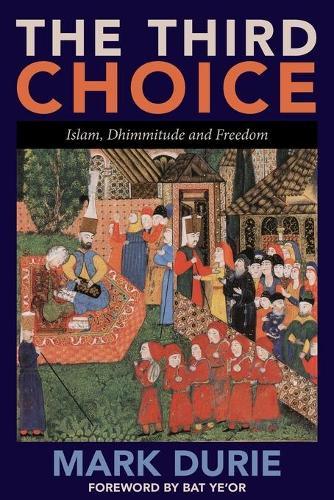
The Third Choice
Islam, Dhimmitude and Freedom
Paperback
$35.95
Not in-store but you can order this
Violence and Belief in Late Antiquity...
Militant Devotion in Christianity...
Paperback
$71.95
Not in-store but you can order this
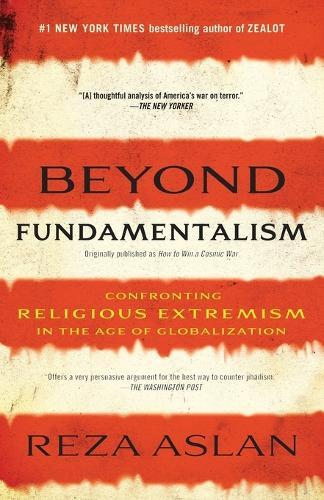
Beyond Fundamentalism
Confronting Religious Extremism...
Paperback
$54.95
Not in-store but you can order this
The House of War
The Struggle between Christendom...
Paperback
$22.99
Not in-store but you can order this