PRIZES to win! PROMOTIONS


John Beebe is the author of Integrity in Depth and past president of the C. G. Jung Institute of San Francisco. Ernst Falzeder is the author of Psychoanalytic Filiations: Mapping the Psychoanalytic Movement and senior research scholar at University College London.
The English text is a pleasure to read, with plenty of clarifying notes. Readers will enjoy the informality of the exchange, its intellectual depth, and the humanity of Jung and Schmid-Guisan. This important addition to the history of modern psychology will engage and inform interested nonspecialists. --E. James Lieberman, Library Journal The Question of Psychological Types is a welcome addition to anyone who would seek to understand the framework of psychological types better in its philosophical and historical context. The publishers have done a good job of putting the book into a good, clean format and have equipped the text with a generous, even lavish, amount of footnotes. Readers who will want to know more about the practical application of typology and the types will not find much to interest them here, but to readers who want to be acquainted with the historical process that spawned Psychological Types, this volume is quite simply a mandatory read. --Celebrity Types Beebe and Falzeder provide a fascinating, scientifically important look into the development of Jung's seminal work on psychological types. Unlike works that stress how one can understand the typology and the implications of being a 'certain type,' this volume illuminates the early development, discussion, and refinement of the ideas... A must-read for scholars and enthusiasts of Jung and an excellent 'reader' for understanding the scientific enterprise prior to the development print and online journals and formal review procedures. --Choice We now have the opportunity to read and study this very significant correspondence with the addition of the excellent introduction and annotations which the co-editors have produced and have our knowledge and understanding of Jung's psychological types greatly deepened, expanded and enriched. --Peter Kenney, Journal of Analytical Psychology
CBT Inner Child Workbook
Heal Past Trauma, Restore Emotional...
Paperback
$39.95 $34.02
Not in-store but you can order this
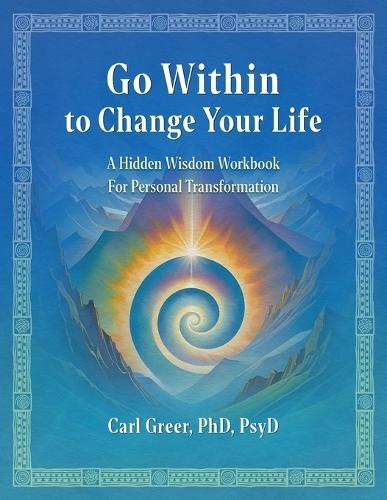
Go Within to Change Your Life
A Hidden Wisdom Workbook for Personal...
Paperback
$61.95 $52.28
Not in-store but you can order this
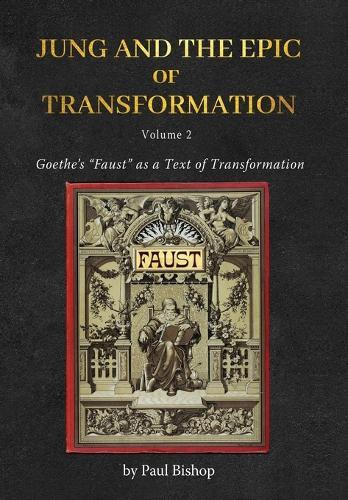
Jung and the Epic of Transformation...
Goethe's ""Faust"" as a Text of...
Hardback
$117.95 $94.45
Not in-store but you can order this
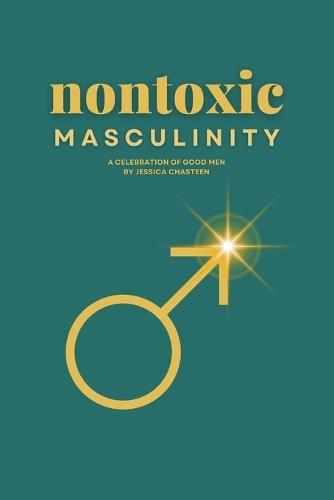
Nontoxic Masculinity
A Celebration of Good Men
Paperback
$52.95 $44.74
Not in-store but you can order this
The Other Within
The Genius of Deformity in Myth,...
Paperback
$32.99
Not in-store but you can order this
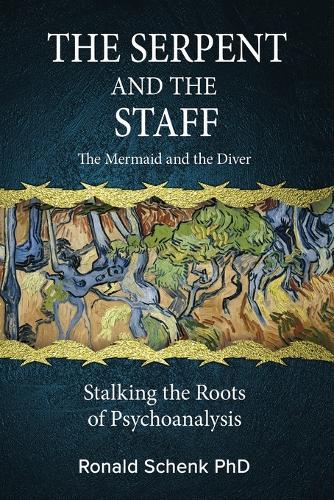
The Serpent and the Staff/ The Mermaid...
Stalking the Roots of Psychoanalysis...
Paperback
$68.95 $58.53
Not in-store but you can order this