Beat the rise! Delivery fees are going up soon.


The Journey of André Berger started with advanced mathematics studies in the late seventies, followed by engineering, though he soon pivoted himself to pursue a career as a pilot. Pilot training in the early eighties was challenging, especially during a time when airlines in his country, Belgium at the time, were not hiring novice pilots. European pilot licenses were country-specific, EASA and standardization did not yet exist. The only large jet-operating airline he aspired to join was the national flag carrier, Sabena, but due to hiring freezes and the closure of the Civil Aviation School, he had to gain experience through diverse roles: ground handler, aircraft cleaner, mechanic, flight engineer, dispatcher, scheduler, banner-towing pilot, air taxi pilot, flight instructor, caterer, and even driving instructor, before finally being offered a first officer role on the B737-200 at Sabena.In the mid-nineties, he became Managing Director of the Belgian Aviation School and then joined Sobelair, the leisure airline within the Sabena Group, to resolve regulatory issues. As Crew Training Manager, he developed Belgium's first certified Type Rating Training Organization (TRTO) under emerging JAA and EASA standards.Over time, he took on responsibilities as Head of Flight Operations and Head of Training across TUI Airlines five AOCs, creating interoperability between AOC's, heading fuel efficiency and sustainability, renewing the training department, conducting numerous operational and training audits of airlines and training organizations in Europe, the USA, the Caribbean, Russia, and the Far East.As a Chief Flight Instructor and CEO/accountable manager for several Approved Training Organizations (ATOs), he introduced Immersive Training in Multi-Pilot License (MPL) programs, streamlining training by canceling traditional but less effective steps like single-engine instrument flying and multi-engine piston training.Recently, he implemented Competency-Based Training and Assessment (CBTA) across all type rating and ab initio pilot training courses, enhancing crew selection and training while accommodating modern airline requirements.Currently based in the Middle East with his family, André is actively involved in pilot training, flight operations, and exploring advanced technologies such as virtual reality and artificial intelligence in aviation. His passion lies in shaping the future of crew training by employing innovative tools to enhance the learning experience and skills of the next generation of pilots and cabin crew.
Each of the perspectives described in this book will shape your deep understanding of how we prepare the next generation of airline pilots. Reading this book, The Next Airline Pilot - Competency at the Core, you will recognize that it is written not from theory alone, but from decades of practice, reflection, and a determination to improve aviation safety. Competency-Based Training and Assessment (CBTA) is not a niche concept or an academic idea. It is the foundation on which future airline training must rest. Regulators, manufacturers, and operators across the globe have all reached the same conclusion: traditional methods that tried to script every scenario cannot keep pace with the complexity of today's aviation system. The demands of modern flight with highly automated aircraft, congested skies, diverse crews, and an unforgiving public expectation of perfect safety, require pilots who can think and respond effectively to situations no checklist ever anticipated. That is what CBTA sets out to achieve. And that is what André Berger explains so clearly in this book. What sets this work apart is its blend of vision and practicality. André does not only outline why CBTA matters; he demonstrates how to implement it at every stage of a pilot's development-from the first flying lesson to the upgrade to captain, to becoming instructor and examiner. He explains how to train not only for skill, but for resilience. He makes the link between data and training, showing how evidence from line operations and initial operating experience should inform the design of courses and syllabi.
From Plastic Parrots to Flying Kangaroos...
Big Boeings and Hovering Helos
Paperback
$40.95 $35.22
Not in-store but you can order this
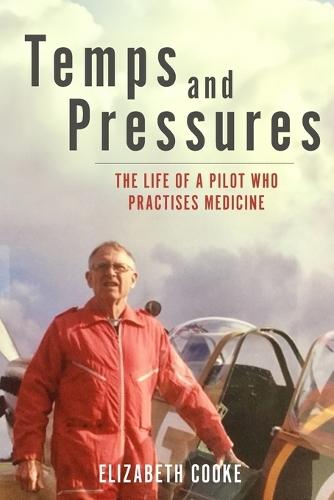
Temps and Pressures. The life of...
Paperback
$38.95 $33.32
Not in-store but you can order this
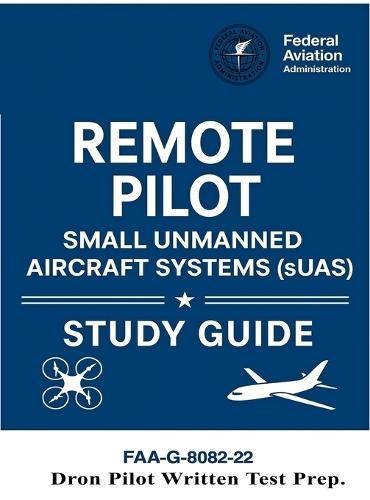
Remote Pilot - Small Unmanned Aircraft...
Drone Pilot Written Test Prep
Hardback
$38.95 $33.31
Not in-store but you can order this
B-29 Superfortress vs Japanese Nightfighter...
Japan 1944–45
Paperback
$39.99
Not in-store but you can order this