PRIZES to win! PROMOTIONS


Dr Ayala Panievsky is a researcher, journalist and activist specialising in populism, media under attack, and democratic backsliding at the City University of London. She holds a PhD from Cambridge University, for which she was awarded the International Communications Association's 2024 Outstanding Dissertation Award. Panievsky works with journalists worldwide to improve the future of news and what we get to know in times of new and sophisticated threats to democracy. She is the recipient of prestigious grants and awards, and her research has been covered in the BBC, The News Agents, LBC, Politico and more.
Don't miss this fascinating, rivetingly written book! -- Arash Azizi, The Atlantic Ayala Panievsky's new book is exceptional. It's almost the only text that delves into the question of what journalists can actually do to better deal with populists - and to my great surprise, it will be as compelling to journalists' viewers and listeners. -- Michael Hauser-Tov, Haaretz Ayala puts the public's right to know at the heart of her argument. And she shows that failure 'to know' can, literally, kill you. [...] Her arguments are profound, compelling, and fascinating. And as ever, I read her words with awe, and a deep gratitude I can call her my inspiration - but also, my friend. -- Emily Maitlis, The News Agents The New Censorship is a thoughtful, well-researched and compellingly personal analysis of the playbook for tyranny. As Ayala Panievsky makes clear, the media is far too often complicit in its own destruction, largely by treating the destabilizing propaganda of right-wing regimes as legitimate press. That failure to recognize and counter an existential challenge has grave consequences for more than one nation. -- James LaRue author of On Censorship Panievsky's book is an important, necessary, masterful study of how anti-democratic movements persecute and censor media dissent, and how journalists respond to attacks. With original insights and lively writing, the book closely examines common threads across countries, and delivers a persuasive argument on how the 'new censorship' works. A must-read for anyone interested in understanding the multiple challenges that contemporary journalism confronts. -- Professor Silvio Waisbord, former president of the International Communication Association
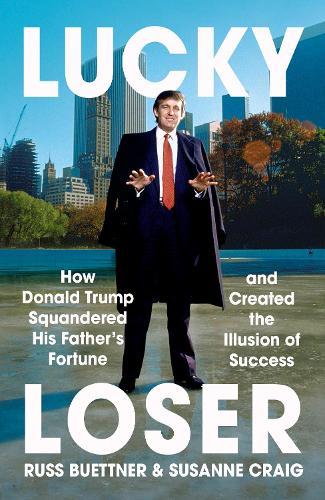
Lucky Loser
How Donald Trump Squandered His...
Paperback
$29.99
Not in-store but you can order this
Goodbye to Russia
A Personal Reckoning from the Ruins...
Paperback
$34.99
Not in-store but you can order this