Bargains! PROMOTIONS


Elena McGrath is an assistant professor of history and Latin American and Caribbean studies at Union College.
Based on eighteen months of field work, oral interviews, and extensive archival research, Elena McGrath's book opens a new window into Bolivia's epic and everyday struggles over the meanings and boundaries of ""worker citizenship"" for male mine workers, women, their families, and theircommunities during the long MNR revolution (1952-1964) and beyond. The author makes skillful use of trial records and other primary sources to capture vivid images and make audible the ""voices"" of both women and men who lived through the promises and betrayals of revolution. The result is a stunning local history that contributes to broader historiographical themes, such as Latin American labor studies, extractive capitalism, social revolution, and gender history.--Brooke Larson, Stony Brook University, author of The Lettered Indian: Race, Nation, and Indigenous Education in Twentieth-Century Bolivia Ambitious, well-researched, and compellingly narrated, The Limits of Revolution paints an intricate picture of Corocoro rich in contextual details. Yet this book is far more than a regional history. It uses Corocoro to make significant interventions into the literature on the Bolivian state, the 1952 Revolution, gender, class formation, and the spectrum of ethnic identity. The book portrays Corocoro's miners in the larger frame of national and global economic forces, explaining how capital and commodity prices shaped local militancy.--Elizabeth Shesko, Oakland University, author of Conscript Nation: Coercion and Citizenship in the Bolivian Barracks
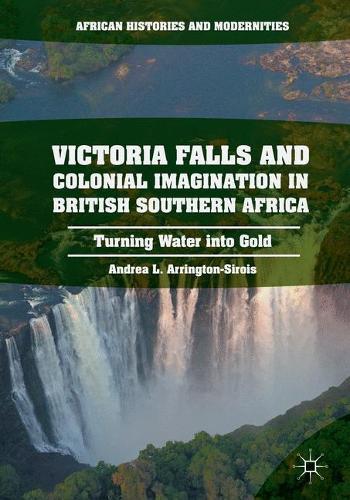
Victoria Falls and Colonial Imagination...
Turning Water into Gold
Paperback
$162.95 $130.01
Not in-store but you can order this
Pit Lasses
Women and Girls in Coalmining c.1800–1914...
Paperback
$49.99
Not in-store but you can order this
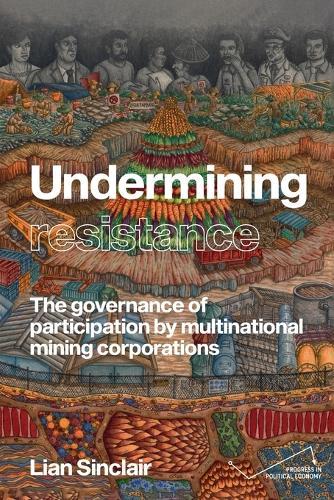
Undermining Resistance
The Governance of Participation...
Paperback
$87.95 $74.60
Not in-store but you can order this