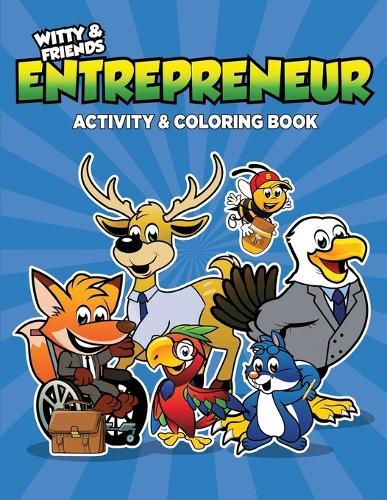
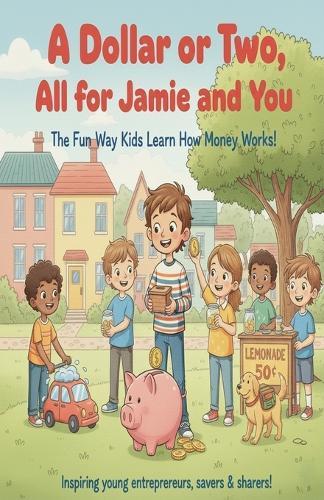
As an Economics/History teacher, Stanley G. Buford knows how to reach young learners and their families. Scholars can understand economics better when we use terms they recognize from everyday experiences. For example, think of the word money. Money is what we use to buy things we want, like toys, snacks, or even books. When we go to a store, we exchange money for items. The more money we have, the more things we can buy. But if we have only a little, we have to choose carefully what to get. This is where some basic economic concepts come into play.
Another important term is goods. Goods are things we can touch and use, like clothes, food, and games. Our homes are filled with goods, and we often think about which ones we need the most. For example, on a cold day, a warm jacket might be more important than a new video game. This idea of prioritizing what we buy relates to another term called service, which is something we do for others, like getting a haircut or visiting a doctor. Understanding the difference between goods and services helps kids see how economics works in their everyday lives.
By:
Stanley G Buford Imprint: Tridreams Production Inc. Dimensions:
Height: 229mm,
Width: 152mm,
Spine: 11mm
Weight: 376g ISBN:9798295413667 Pages: 114 Publication Date:19 November 2025 Recommended Age: From 13 to 18 years Audience:
Young adult
,
Preschool (0-5)
Format:Hardback Publisher's Status: Active