PRIZES to win! PROMOTIONS


Stavros Kromidas studied biology and chemistry at the University of Saarbrucken, where in 1983 he obtained his Ph.D. degree on the development of new chiral stationary phases for HPLC. After working for Waters GmbH for five years, he founded NOVIA GmbH, a provider of professional training and consulting in analytical chemistry, serving as the CEO until 2001. Since 2001 he works as an independent consultant for analytical chemistry, based in Saarbrucken (Germany). For more than 20 years he has regularly held lectures and training courses on HPLC, and has authored numerous articles and several books on various aspects of chromatography.
This book offers a unique perspective on HPLC, with a unique selection of topics that are becoming of evengreater importance in the rapidly expanding field of this technique.The review articles, contributed by well-qualified expertsin their fields, provide a comprehensive overview of thehottest tasks in the field of modern HPLC, and represent avaluable source for specialists in this area of separationscience...Interested readers will find quick and reliableguidance to overcome some common mistakes and drawbacksin the practice of HPLC, as well as useful tips and links forefficient information collection. (Analytical and Bioanalytical Chemistry 23/05/2017)
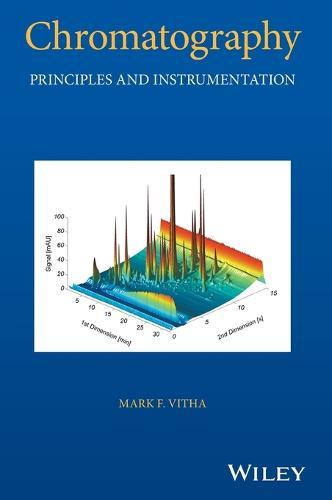
Chromatography
Principles and Instrumentation
Hardback
$185.95
Not in-store but you can order this
Introduction to Thin Film Transistors...
Physics and Technology of TFTs
Hardback
$251.95 $201.58
Not in-store but you can order this
Biophysics and Structure to Counter...
Hardback
$370.95 $296.98
Not in-store but you can order this
Device Architecture and Materials...
Targeting High Current Densities...
Hardback
$251.95 $201.58
Not in-store but you can order this
Modern Sample Preparation for Chromatography...
Paperback
$438.95
Not in-store but you can order this