Beat the rise! Delivery fees are going up soon. INFO


Johnny Rodger is Professor of Urban Literature at Glasgow School of Art. His most recent publications include Glasgow Cool of Art: 13 books of fire at the Mackintosh Library, Key Essays: Mapping the Contemporary in Literature and Culture and The Hero Building: An Architecture of Scottish National Identity.
""The Housing Film gives a vivid new perspective on the monumental story of modern mass housing, through the dramatic lens of film - a medium tailor-made to project the rhetorical passions of the ‘housing problem’ - and skilfully exploits the idiosyncrasies of British debate as a springboard to explore global discourses of housing crisis."" -- Miles Glendinning, Professor of Architectural Conservation, University of Edinburgh Rodger writes engagingly about the development of the promotional use of film with a consideration of the often-overlooked role of sponsorship in housing (and other non-fiction) films of the 1930s and later. The vividness of the horrific living conditions shown in Housing Problems means that many viewers forget that the film was a promotional work for the use of gas. Intriguingly, Rodger mentions that the sponsorship of the film meant that Housing Problems could not be shown on the BBC in its earlier days. -- Ros Cranston * Journal of British Cinema and Television *
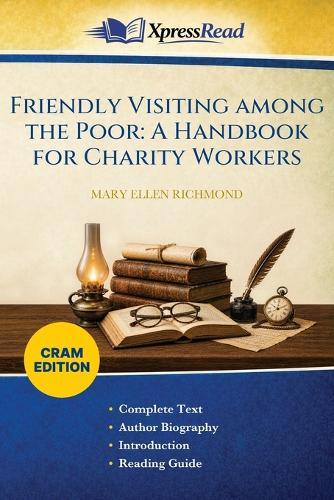
Friendly Visiting Among the Poor...
A Handbook for Charity Workers (Cram...
Paperback
$45.95 $39.11
Forthcoming
You can preorder this
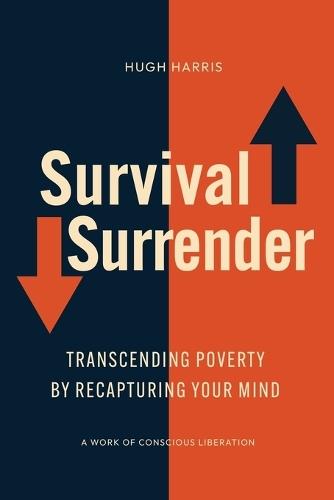
Survival Surrender
Transcending Poverty by Recapturing...
Paperback
$39.95 $34.26
Forthcoming
You can preorder this
What to Do? Thoughts Evoked by the...
Cram Edition
Paperback
$52.95 $45.23
Forthcoming
You can preorder this
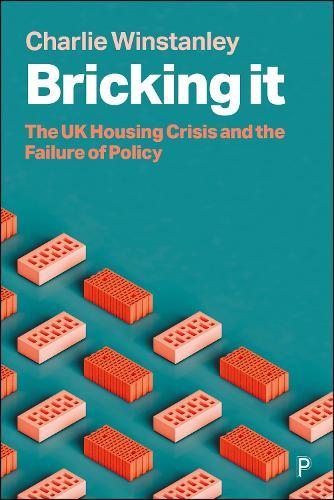
Bricking It
The UK Housing Crisis and the Failure...
Paperback
$57.95
Forthcoming
You can preorder this