PRIZES to win! PROMOTIONS


Jacob Neusner is a leading figure in the American academic study of religion. He revolutionized the study of Judaism and brought it into the field of religion, and he built intellectual bridges between Judaism and other religions, thereby laying the groundwork for durable understanding and respect among religions. He has advanced the careers of younger scholars and teachers through his teaching and publication programs. Neusner's influence on the study of Judaism and religion is broad, powerful, distinctive, and enduring. Bruce Chilton, New Testament and Judaic scholar, is Bernard Iddings Bell Professor of Religion at Bard College, Annandale-on-Hudson, NY. He is a co-author of The Body of Faith (Trinity), God in the World (Trinity), and Comparing Spiritualities (Trinity).
After reading this collection, there can be little doubt that this powerful rule has had an enormous influence in shaping religious beliefs throughout the centuries and around the world. This study lends credence to the principle that religions have at their core certain overarching concepts that emphasize basic ethical teachings and that instruct believers to act morally and honorably. --Jewish Book World, Winter 2009 Neusner, Chilton, and their colleagues maintain a focused discipline on opening the conversation, entering the exploration, and generating questions for further study. One exits a reading of The Golden Rule with an expansive awareness of how the golden Rule starts with and extends beyond concern for self-dignity, invites expansive application beyond local kith and kin, invokes anticipatory action over simple reactive reciprocity, and urges people toward honor of the other and unitive human care. Review in Journal of Contemporary Religion, Vol.25, no.2, 2010. Jewish Book World Quarterly Review
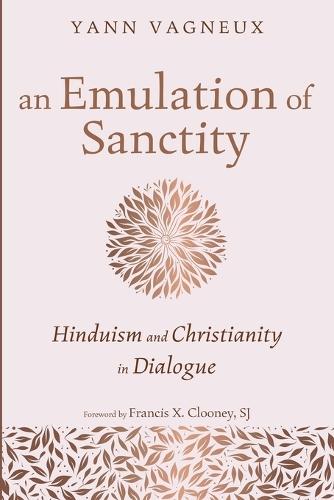
An Emulation of Sanctity
Hinduism and Christianity in Dialogue...
Paperback
$48.95 $41.89
Not in-store but you can order this
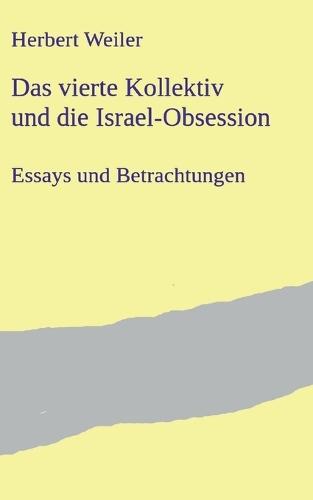
Das vierte Kollektiv und die Israel-Obsession...
Internet und Judenfeindlichkeit...
Paperback
$72.95 $62.08
Not in-store but you can order this
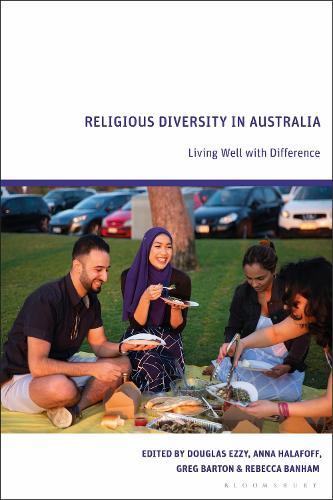
Religious Diversity in Australia...
Living Well with Difference
Paperback
$59.99
Not in-store but you can order this