PRIZES to win! PROMOTIONS


PAUL R. KATZ is Distinguished Research Fellow at the Institute of Modern History, Academia Sinica, and Program Director of the Chiang Ching-kuo Foundation for International Scholarly Exchange. He is the author of Religion in China and its Modern Fate (Brandeis University Press, 2014) and Religion, Ethnicity, and Gender in Western Hunan during the Modern Era: The Dao among the Miao? (Routledge, forthcoming). VINCENT GOOSSAERT is professor of Daoist history at EPHE, PSL (Paris) and coeditor of T'oung Pao. He is the author of Heavenly Masters: Two Thousand Years of the Daoist State (University of Hawai'i Press, November 2021) and Making Gods Speak: The Ritual Production of Revelation in Chinese Religious History (Harvard University Asia Center, forthcoming).
Goossaert and Katz have crafted a unique and innovative research strategy, applying a macro approach--looking at a broad range of data relating to a large number of religious phenomena--to a specific micro-region--Jiangnan. The results are insightful and valuable on many levels.--DAVID OWNBY, Professor of History, University of Montreal This is by far the most original, innovative, and definitive study of the religious transformation in the context of China's modernization from the late Qing to early Republican period. Drawing on new and underexplored primary sources such as religious journals, séance writings, morality books, and liturgical texts, the authors show convincingly how active production of religious knowledge, new and creative forms of religiosity, structural and institutional innovation of religion were taking place alongside the processes of modernization in the Jiangnan region from the late 19th to early 20th centuries. As such, this book has greatly advanced our understanding of trajectories of religious transformation and modes of religious modernity in China.--XUN LIU, Department of History, Rutgers University
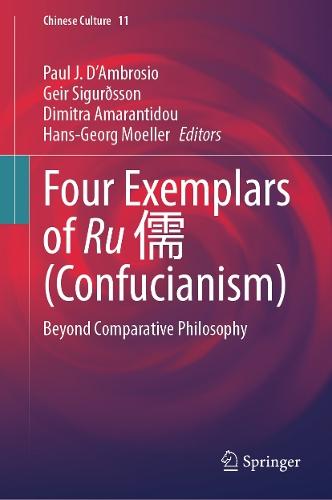
Four Exemplars of Ru 儒 (Confucianism)...
Beyond Comparative Philosophy
Hardback
$340.95 $273.14
Not in-store but you can order this
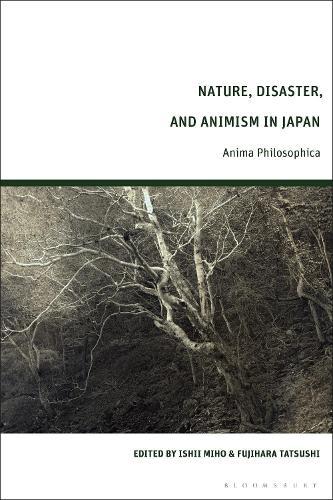
Nature, Disaster, and Animism in...
Anima Philosophica
Hardback
$170
Not in-store but you can order this
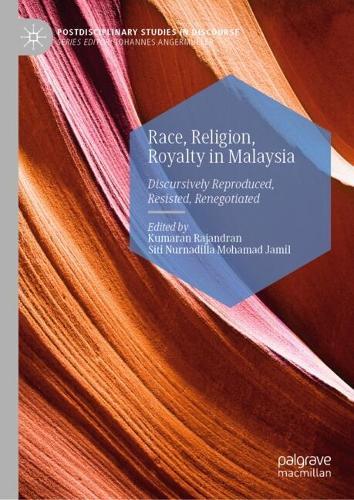
Race, Religion, Royalty in Malaysia...
Discursively Reproduced, Resisted,...
Hardback
$340.95 $273.14
Not in-store but you can order this
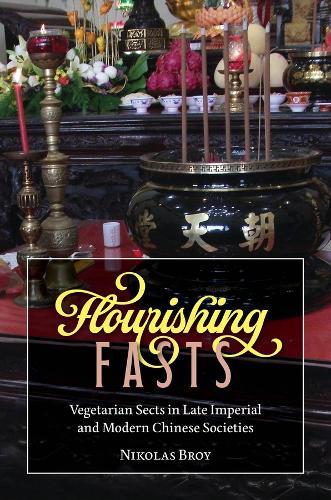
Flourishing Fasts
Vegetarian Sects in Late Imperial...
Hardback
$126.95
Not in-store but you can order this
Go on Alone
A Struggle Between Personal Integrity...
Paperback
$44.95 $37.94
Not in-store but you can order this
Oriental Religions and Christianity...
Paperback
$47.95 $40.33
Not in-store but you can order this