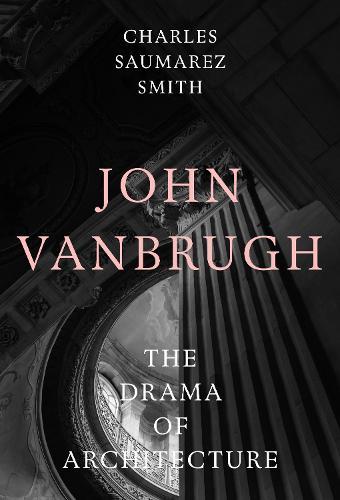
""The Complete Works of Sir John Vanbrugh"" serves as the definitive anthology of one of the most remarkable figures of the English Restoration and early Enlightenment. Sir John Vanbrugh achieved extraordinary success in two distinct fields, leaving behind a legacy as both a celebrated dramatist and a visionary architect. This collection brings together his influential plays, including the satirical masterpieces ""The Relapse"" and ""The Provoked Wife,"" which remain cornerstones of 18th-century English theater for their wit, characterization, and social critique.
In addition to his literary output, this volume examines Vanbrugh's monumental contributions to British architecture. As the designer of iconic structures such as Blenheim Palace and Castle Howard, his work represents the pinnacle of the English Baroque style. The inclusion of his personal and professional letters provides a rare glimpse into the intellectual life and creative process of a true polymath. This work is an essential resource for scholars of theater history, architectural studies, and British cultural heritage, offering a comprehensive look at a man whose genius spanned the stage and the skyline of 18th-century Britain.
This work has been selected by scholars as being culturally important, and is part of the knowledge base of civilization as we know it. This work was reproduced from the original artifact, and remains as true to the original work as possible. Therefore, you may see the original copyright references, library stamps (as most of these works have been housed in our most important libraries around the world), and other notations in the work.
This work is in the public domain in the United States of America, and possibly other nations. Within the United States, you may freely copy and distribute this work, as no entity (individual or corporate) has a copyright on the body of the work.
As a reproduction of a historical artifact, this work may contain missing or blurred pages, poor pictures, errant marks, etc. Scholars believe, and we concur, that this work is important enough to be preserved, reproduced, and made generally available to the public. We appreciate your support of the preservation process, and thank you for being an important part of keeping this knowledge alive and relevant.