Beat the rise! Delivery fees are going up soon. INFO


David Morgan is a Professor in the Departments of Physiology and Biochemistry & Biophysics at the University of California, San Francisco, where he is a leading researcher on the mechanisms of cell cycle control. He has received awards for his teaching of cardiovascular physiology, cell biology, and biochemistry.
`Review from previous edition I have enjoyed reading this textbook cover to cover. I have learned new things from chapters that lie outside of my own specialisation of chromosome duplication, and have made interesting new connections. As a University teacher and researcher, I can strongly recommend David Morgan's textbook to students with a background in molecular biology who are interested in the regulation of the eukaryotic cell cycle.' Torsten Krude in BioEssays, June 2007 `This is an extremely useful book, which can be used in undergraduate (for an advanced course) and graduate teaching, and as a reference book for researchers in the field. The book will remain an essential source of information for curious students and scientists for some time.' Nature Cell Biology, June 2007 `an excellent reference book for cell biology undergraduates with an interest in the cell cycle and the related field of cancer research. It would also make a useful reference book for any post-graduate student in a cell-cycle laboratory.' THES Textbooks Guide, February 2007
An Introduction to Molecular Evolution...
Paperback
$133.95
Not in-store but you can order this
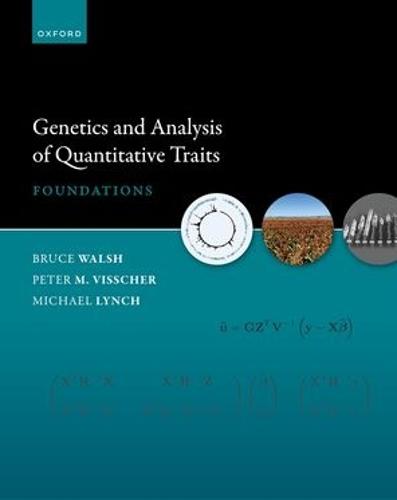
Genetics and Analysis of Quantitative...
Foundations
Hardback
$329.95
Not in-store but you can order this
Handbook of Translational Transcriptomics...
Research, Protocols and Applications...
Paperback
$314.95
Not in-store but you can order this
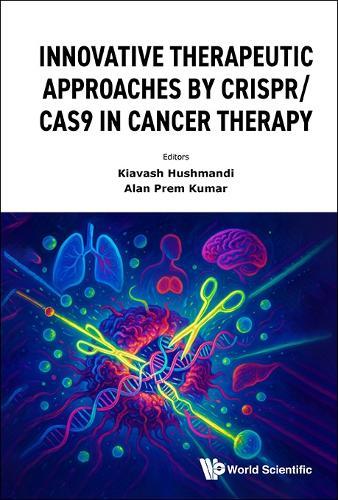
Innovative Therapeutic Approaches...
Hardback
$457.95 $366.05
Not in-store but you can order this