Bargains! PROMOTIONS


Sarah Kaka is an Associate Professor of Education at Ohio Wesleyan University. She teaches secondary methods courses, foundations of education, and supervises students in the field. Her main area of focus is secondary social studies and education policy. She has published in peer-reviewed journals and has presented at local, state, national, and international conferences. Her research aims to bolster educator training programs in cultivating proficient, enduring educators across diverse environments, while also aiding practicing teachers in enhancing their effectiveness. Prior to making the shift to higher education, Dr. Kaka taught high school social studies for a decade in Virginia and Colorado. She is the editor of the book, Hollywood or History? An Inquiry-Based Strategy for Using Film to Teach About Inequality and Inequity Throughout History. Matthew S. Hollstein is an Associate Professor of Education at Kent State University. His research interests include civic environmentalism, controversial issues, and developing teachers as listeners to improve practice. His research seeks to improve teacher education and instruction through the inclusion of environmental education to expand teachers’ perception of civic environmental activism. For the last 11 years Matt has been the chair or co-chair of the Environmental and Sustainability Education Community of the National Council for the Social Studies whose goal is to foster the inclusion of environmental and sustainability education in social studies. He teaches in both the early childhood and middle childhood education programs at Kent State University. He taught K12 social studies across Ohio before completing his PhD at Ohio University. Elizabeth Kenyon is an Associate Professor of Education at Kent State University. Her scholarship is focused primarily on anti-racist teacher education, climate change education, and democratic citizenship education with young learners. She teaches primarily in the early childhood education program at Kent State. Prior to pursuing and receiving her PhD at Michigan State University, Elizabeth taught highschool and middle school for three years in Washington, D.C. and worked with youth in other capacities in Buenos Aires, Argentina, Michigan, Massachusetts, and Washington DC. She is also a mother and a gardener. Nancy Patterson is a Professor of Education at Bowling Green State University. Her research is focused on democratic classroom practices and student/teacher perceptions of rights and responsibilities in schools. Recently, these commitments have included international lesson study research with early stage teacher candidates and the social studies as inquiry process. Professor Patterson teaches social studies introductory and methods courses and coordinates the Master of Education in Teaching and Learning program. She was a Fulbirght teaching and research scholar in Morocco and leads summer study abroad trips in the expeditionary learning model with teachers and students.
Teacher Educators as Scholar Citizens: Activism and Resistance in Uncertain Times offers accounts of education scholars finding their civic voices in challenging times and spaces. From lessons learned and still being learned to rising in opportune or necessary moments, the authors give hope and inspiration through their personal accounts and experiences. This book serves to help teacher educators as well as practitioners ways to build networks, support groups and causes in need, and impact their local and state communities. -- Erin Bronstein * PhD, Assistant Professor of Social Studies Education University of Michigan-Dearborn * Teacher Educators as Scholar Citizens: Activism and Resistance in Uncertain Times is the timely guide educators need right now. This book offers personal stories on how to sustain activist work in a variety of contexts. This is an important read for academics, K-12 teachers, and administrators. -- Annie McMahon Whitlock * Associate Professor of History and Social Studies, Grand Valley State University * This a much needed text for our time. Forwarding personal narrative, theoretical rigor, and call to action, the authors contextualize contemporary educational obstacles and present opportunities for meaningful community change. This should required reading for teacher educators who champion justice in their classrooms and communities. -- Kristy A. Brugar * PhD Professor, Social Studies Education and Department Chair, Instructional Leadership and Academic Curriculum The University of Oklahoma *
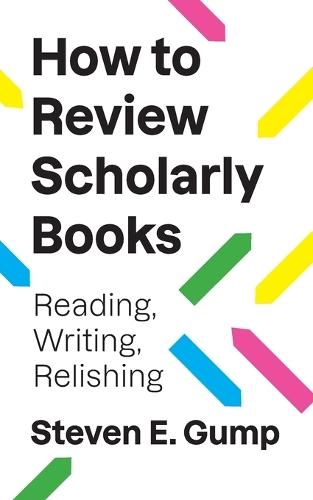
How to Review Scholarly Books
Reading, Writing, Relishing
Paperback
$39.99
Not in-store but you can order this
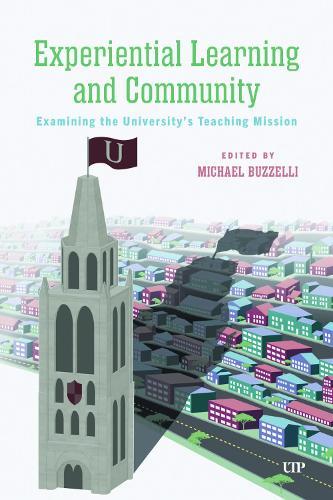
Experiential Learning and Community...
Examining the University's Teaching...
Paperback
$54.99
Not in-store but you can order this
Attacking the Elites
What Critics Get Wrong—and Right—About...
Paperback
$30.95
Not in-store but you can order this
Philosophical Interventions in Neoliberal...
Hardback
$170
Not in-store but you can order this