Beat the rise! Delivery fees are going up soon. INFO


Gerui Wang is an assistant professor of art history in the Department of Digital Arts and Creative Industries at Lingnan University, Hong Kong. She previously taught at Stanford University and the University of California, Santa Cruz, and has published in the Journal of Chinese History and Asiascape: Digital Asia. She is a recipient of the Software Sustainability Institute Fellowship and Stanford's Teaching Advancement Award. Her research briefs on art, media, and technology appear in venues such as Australia National University's The China Story Project, South China Morning Post, and Forbes, and have been translated into French, Chinese, and Japanese.
""Drawing on diverse evidence from Song and Yuan-era policy debates, administrative maps, poems and dramas, and landscapes painted on scrolls, fans and ceramic pillows, Gerui Wang's study reveals the widespread concern with environmental resource and human sustenance as a field of productive tension across imaginary, social, and political arenas."" -Richard Vinograd, Stanford University ""Gerui Wang's provocative study provides a valuable new perspective on representations of landscape in the tenth through fourteenth centuries. She uncovers unmistakable signs of what we today would call environmental consciousness in artistic and cartographic illustrations of many kinds, reflecting policy debates on natural resource management, and the inequitable social consequences of nature's exploitation and degradation. This book is a contribution both to art history and the history of ecological thought and action in China. It will change the way we look at these 'contested landscapes'."" -Ronald Egan, Stanford University ""How to manage the trade-off between short term economic gain and long term environmental sustainability? It seems like a modern question. Surprisingly, it was debated with great insight by thinkers in Chinese history. Even more surprising, it was expressed in subtle ways in Song-Yuan period landscape imagery. Read this fascinating and beautifully illustrated book to find out more!"" -Daniel A. Bell, author of Why Ancient Chinese Political Thought Matters ""This groundbreaking book unearths a treasure trove of ecological wisdom and practices in classical Chinese landscape painting. Through the lens of art history and environmentalism, Gerui Wang sheds a refreshing light on how art engages social order and economic production while maintaining intimate communion with nature."" -Ban Wang, Stanford University ""This insightful work demonstrates vividly the relevance of China's rich historical experience for humanity's most pressing challenge today. Thanks to engaging prose, county memos and painted pillows bring to life the yeoman's struggles or heated capital debates, revealing what was truly at stake in humanity's early attempts to legislate sustainable use of natural resources."" -Martin Powers, University of Michigan/Peking University
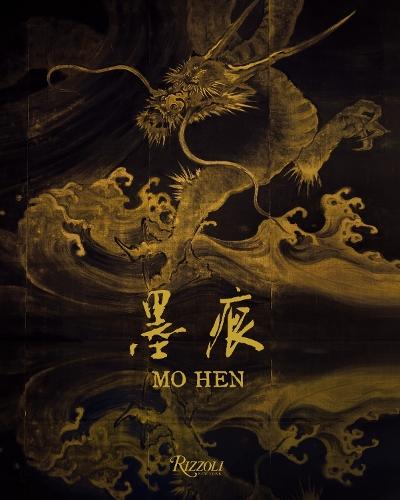
Mo Hen
Art and Esthetics In Classical and...
Hardback
$170
Not in-store but you can order this
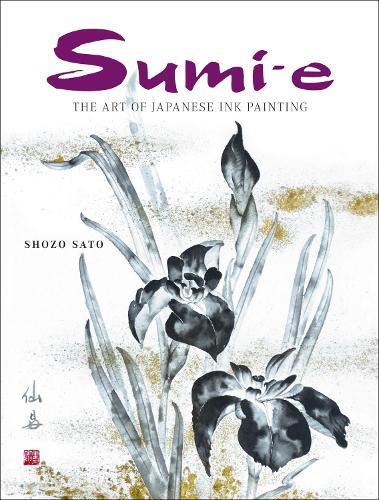
Sumi-e
The Art of Japanese Ink Painting...
Mixed media product
$59.99
Not in-store but you can order this
Kimono Flowers Gift Wrapping Papers...
18 x 24 inch (45 x 61 cm) Wrapping...
Mixed media product
$22.99
In Stock 😊