Beat the rise! Delivery fees are going up soon.


After completing studies for the A.B., A.M., and Ph.D. degrees in chemistry at Harvard University, David W. Christianson joined the faculty of the University of Pennsylvania, where he is currently the Roy and Diana Vagelos Professor in Chemistry and Chemical Biology. At Penn, Christianson’s research focuses on the structural and chemical biology of the zinc-dependent histone deacetylases as well as enzymes of terpene biosynthesis. His research accomplishments have been recognized by several awards, including the Pfizer Award in Enzyme Chemistry and the Repligen Award in Chemistry of Biological Processes from the American Chemical Society, a Guggenheim Fellowship, and the Elizabeth S. and Richard M. Cashin Fellowship from the Radcliffe Institute for Advanced Study at Harvard University. Christianson is also a dedicated classroom teacher, and his accomplishments in this regard have been recognized by the Lindback Award for Distinguished Teaching at Penn and a Rhodes Trust Inspirational Educator Award from Oxford University. Christianson has also held visiting professorships in the Department of Biochemistry at Cambridge University and the Department of Chemistry and Chemical Biology at Harvard University. Christianson has served with Prof. Anna Pyle as Co-Editor-in-Chief of Methods in Enzymology since 2015.
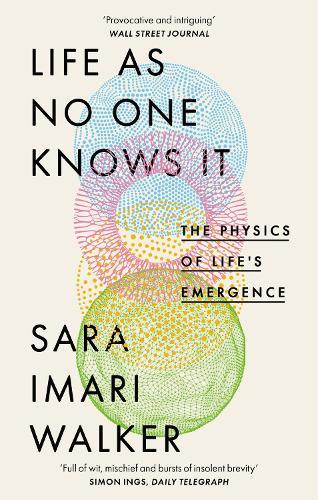
Life As No One Knows It
The Physics of Life's Emergence...
Paperback
$24.99
Not in-store but you can order this
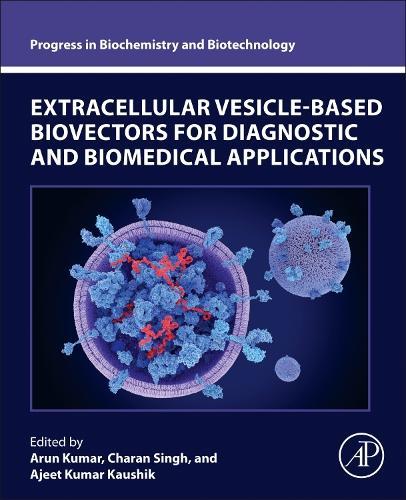
Extracellular Vesicle-Based Biovectors...
Paperback
$343.95
Not in-store but you can order this
The Universal Timekeepers
Reconstructing History Atom by Atom...
Hardback
$54.95
Not in-store but you can order this
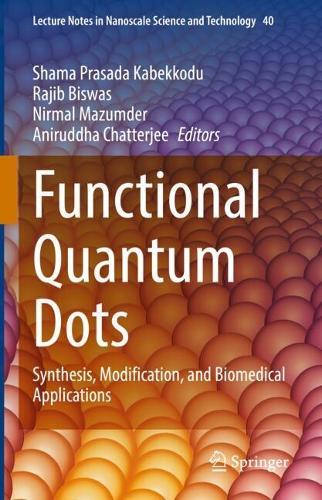
Functional Quantum Dots
Synthesis, Modification, and Biomedical...
Hardback
$534.95 $428.18
Not in-store but you can order this