Bargains! PROMOTIONS


Tonya K. Davidson works as a sociologist in the Department of Sociology and Anthropology at Carleton University. Ondine Park works as a sociologist in the Department of History and Sociology at the University of British Columbia, Okanagan.
“The second edition of Seasonal Sociology offers a fresh and compelling exploration of sociology’s richness through the everyday materiality and meanings of the seasons. Through beautifully crafted essays that blend theory and lived experience, this book offers insight into the social nature of the seasons and how they intersect with social structures, collective values, power, and possibilities for action.” -- Marcia Oliver, Wilfrid Laurier University “Using fascinating case studies that explore the social meanings of seasons, Seasonal Sociology offers an innovative introduction to the discipline. The first edition of Seasonal Sociology stood out as a model for what future textbooks should look like, and this remains true for the present volume that offers both new and updated chapters.” -- Kimberly Mair, University of Lethbridge “Seasonal Sociology is a unique and dynamic introduction to sociology. It invites readers to reflect upon the changing social world, and their place in it, through a lens that focusses on seasonal patterns of life in Canada, including social experiences of work, crime, gender, and the body. This text is a lively alternative to the established formula for introductory texts and presents relevant and relatable insight into sociological theory, methods, and practice.” -- Michael Fleming, University of New Brunswick “This creatively conceived collection goes beyond showing how everyday realities and annual events are ‘socially constructed.’ Each of these eloquent and easy-to-read essays also examines the ways in which the familiar settings of social life are themselves shaped by natural rhythms and physical spaces. Like any excellent sociology textbook, this new edition includes discussions of topics that have become more pressing and poignant in recent years. Highly recommended!” -- Thomas Kemple, University of British Columbia
Stuck
How the Privileged and the Propertied...
Hardback
$71.95
Not in-store but you can order this
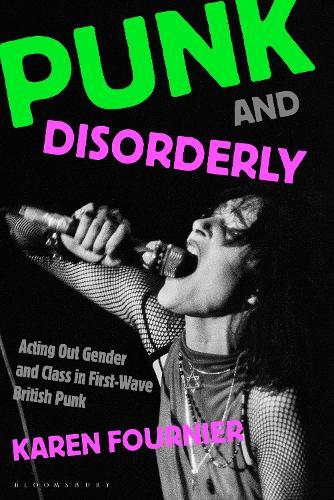
Punk and Disorderly
Acting Out Gender and Class in First-Wave...
Hardback
$180
Not in-store but you can order this
Wanted
Toddler's Personal Assistant: How...
Paperback
$32.99
Not in-store but you can order this
Privileged Brotherhoods
Becoming Men at Elite All-Boys Schools...
Paperback
$36.95
Not in-store but you can order this