Bargains! PROMOTIONS


Sam Codington is the pastor of McGregor Presbyterian Church in Columbia, South Carolina. He writes at the intersections of postcolonial studies, ecology, and poetry. He authored Listening as Hosts: Liturgically Facing Colonization and White Supremacy (Cascade, 2024). He received a master of divinity from Fuller Theological Seminary and a doctor of ministry from San Francisco Theological Seminary. He is married to Esther, and they have a son, Ezra.
""Here is a robust guide to a homiletics of entanglement that draws careful attention to the centrality of Earth in Scripture and in our lives. Sam Coddington offers readers a profoundly honest approach, replete with rich examples, that begins and ends with the simple acknowledgement of our interdependence with all creation and celebrates in distinctive and particular ways as the world around us invites us to participate in the care and renewal of all forms of life."" --Paul Galbreath, Professor Emeritus of Theology, Union Presbyterian Seminary ""Sam Codington's Searching for Speech is a companion for any minister navigating the complexities of ecological crisis and faithful witness. His reflections on grief, entanglement, and transformation resonate deeply with my own journey of learning to walk more gently on the Earth. This book challenged me to rethink not just my sermons, but my relationships--with land, community, and the more-than-human world. It's a guide for leading with tenderness, truth, and hope."" --Sean Chow, Executive Director, Presbytery of San Diego ""People of all faiths and none carry deep experiences of the sacred in nature, along with growing anxiety about the escalating destruction of the natural world. From within this crucible, Sam Codington offers new 'language lessons' that give voice to the pain and fear, the possibility and reconnection that define this moment."" --Fletcher Harper, Executive Director, GreenFaith ""In the tradition of Wendell Berry, Sam Codington invites followers of Jesus to take seriously their relationship to the richness of the places they live, and to pay attention to even the tiny miracles of creation, like grass and snails and bees. But Codington locates the places he describes--and all creatures great and small--in the frame of epochal change, the end of the Anthropocene. This makes for a challenging and especially helpful book. His commitment to childlike wonder--in himself and in others--is an inspiration, as are his tips for the practice of preaching in perilous times."" --John Fanestil, author of American Heresy: The Roots and Reach of White Christian Nationalism
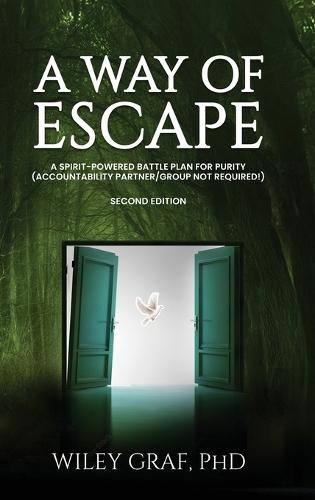
A Way of Escape
A Spirit-Powered Battle Plan for...
Hardback
$80.95 $72.62
Not in-store but you can order this