Beat the rise! Delivery fees are going up soon. INFO


Jean-François Mercure is Professor of Climate Policy at the University of Exeter's Business School, UK. He was Senior Climate Economist at the World Bank. He researches the economics of climate change and advises on policymaking. He has lectured at University of Cambridge, Radboud University and University of Exeter. He is an economist, innovation scholar and complexity scientist, and works on varied topics from energy systems to quantitative finance to geopolitics. He has authored over eighty peer-reviewed articles and the textbook Complexity Economics for Environmental Governance (2022). Hector Pollitt is Senior Climate Economist working at a major international organisation, and focusing on climate policy solutions in East and South East Asia. He was previously the head of modelling and Chief Economist at Cambridge Econometrics, a consultancy based in the UK. He has twenty years of experience working with macroeconomic models and providing policy advice on climate policy to national governments and international organisations. He has co-edited two books on sustainability policy in East Asia and has co-authored more than forty peer-reviewed journal articles.
‘This is a valuable contribution to a hugely important debate, articulating the need for governments and legislators to help manage risks to ensure all groups in society can share the returns in an equitable and fair zero-carbon transition.’ Baroness Hayman, GBE, former Lord Speaker; Chair, Peers for the Planet ‘This book sets out an evidence-based approach for designing realistic climate policy strategies for countries that not only address climate change, but do so in a way that maintains resilient societies, avoids policy reversals, understands the constraints of different countries and promotes international cooperation. A roadmap for delivering the change required – ensuring clean growth can be scaled at the speed we need.’ Chris Skidmore, Chair, ‘Mission Zero – The Net Zero Review’; Chair, Centre for Economic Transition Expertise, Grantham Research Institute ‘This book provides a rigorous and thought-provoking framework for addressing the pressing challenges of climate change at a time when the world stands at a critical crossroads. The volume advances a lucid, evidence-based pathway that supports even greater ambition in the pursuit of a more sustainable and secure planet. Its analysis offers valuable insights for researchers, policymakers and practitioners seeking innovative economic and policy approaches to drive transformative climate action.’ Youba Sokona, former IPCC Vice Chair
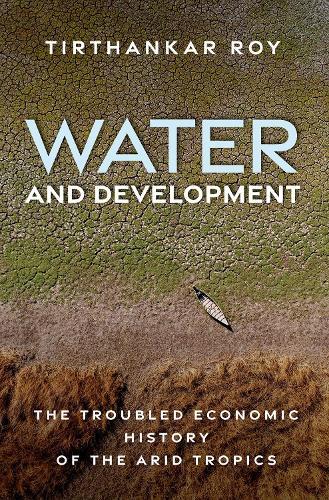
Water and Development
The Troubled Economic History of...
Hardback
$73.95
Not in-store but you can order this
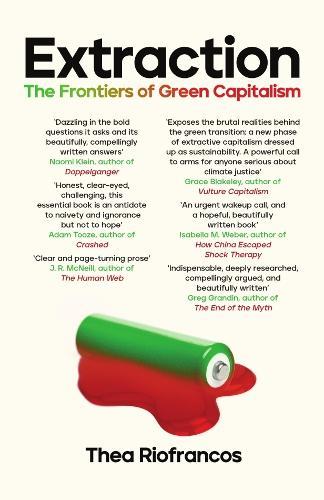
Extraction
The Frontiers of Green Capitalism...
Other merchandise
$49.99
Not in-store but you can order this
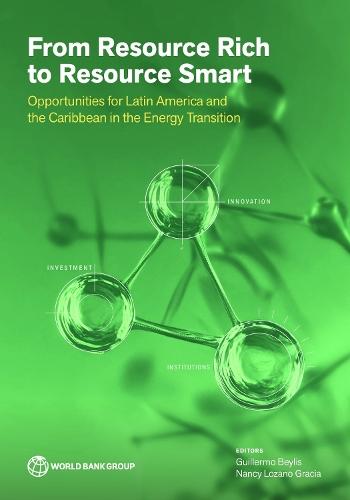
From Resource Rich to Resource Smart...
Opportunities for Latin America...
Paperback
$77.95 $66.63
Not in-store but you can order this
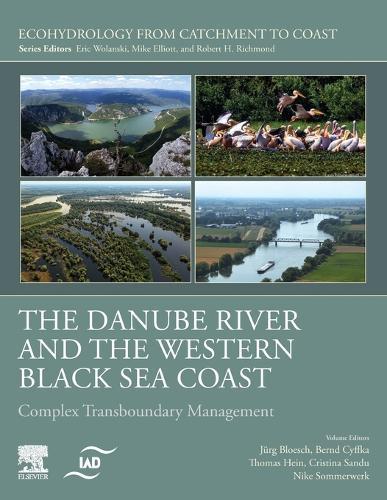
The Danube River and The Western...
Complex Transboundary Management...
Paperback
$286.95
Not in-store but you can order this
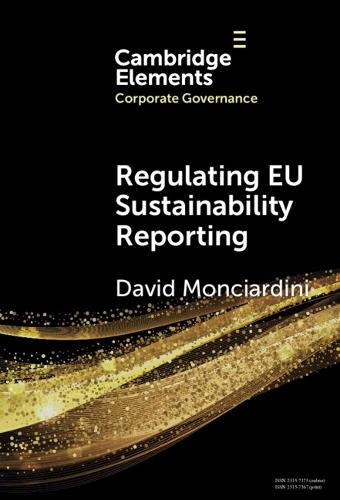
Regulating EU Sustainability Reporting...
Learning from Failure and Success...
Hardback
$179.95 $144.26
Not in-store but you can order this
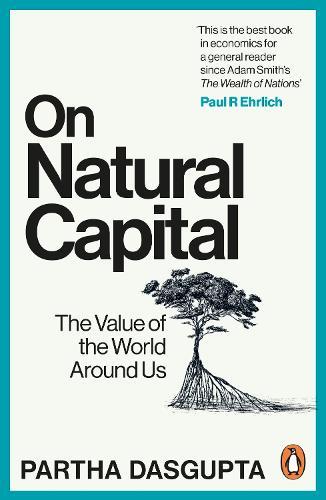
On Natural Capital
The Value of the World Around Us...
Paperback
$26.99
Not in-store but you can order this