PRIZES to win! PROMOTIONS


Jose Alvarez is a rare bird in the scholarly aviary of international organization: he moves effortlessly between politics and the law. International Organizations as Law-makers is authoritative but easy to read, an exceptional text for courses in international relations as well as international law. -- Thomas G. Weiss, Presidential Professor and Director, Ralph Bunche Institute for International Studies, The CUNY Graduate Center<br> As an authoritative observer of the prominent role played by international institutions in the global arena, Professor Alvarez has undertaken a challenging task: fully taking account of the specific tasks and features of the individual organizations which now operate in all major areas of human endeavor, he has distilled principles and procedures common to their law-making and dispute-settlement activities. With proper attention to history, theory, doctrine and practice, the book should become a standard item on reading lists not only for specialized courses on international institutional law but on general international law as well, given the impact of these institutions on traditional doctrine. -- Eric Stein, Hessel E.Yntema Professor of Law Emeritus, University of Michigan<br> Jose Alvarez has written a tour de force that will endure for years to come as the definitive treatise on law-making, in all its forms, by international organizations. He has combined theory with a solid grasp of organizations' practice as he explains and analyzes the law-making activities of such disparate organizations as the United Nations, its many specialized agencies and the World Trade Organization, including judicial and 'judicialized' bodies that exercisejurisdiction and make law across a broad subject-matter spectrum. Anyone with an interest in international law and organizations will do well to read this book and keep it handy on a nearby reference shelf. -- Frederic L. Kirgis, Washington and Lee University School of Law<br> The world is increasingly dense with international organizations, yet they receive surprisingly little attention from international lawyers. Arguing that we are in 'the age of IOs, ' Jose Alvarez offers a comprehensive treatment of the topic that skillfully melds theory, practice, and history. Deftly weaving together insights and evidence from both international law and international relations, International Organizations as Law-Makers provides one-stop shopping for anyone interested in the past, present, and future of international organizations. -- Professor Kal Raustiala, UCLA Law School<br>
Unabridged
The Thrill of (and Threat to) the...
Hardback
$62.95
Not in-store but you can order this
Trolling Before the Internet
An Offline History of Insult, Provocation,...
Paperback
$39.99
In Stock 😊
Monsters, Aliens, and Holes in the...
A Guide to Tabletop Roleplaying...
Hardback
$95
In Stock 😊
The Men Who Killed the News
The inside story of how media moguls...
Paperback
$24.99
In Stock 😊
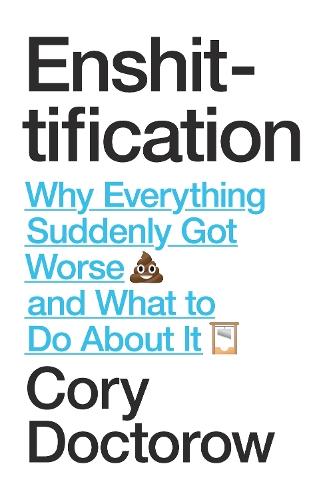
Enshittification
Why Everything Suddenly Got Worse...
Hardback
$44.99
Not in-store but you can order this