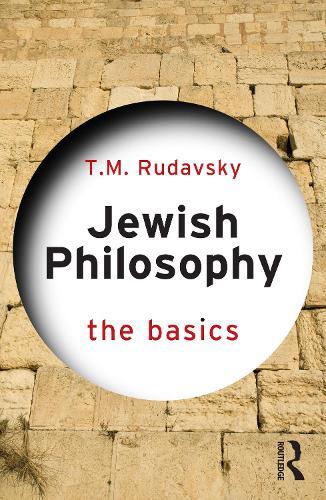
This book offers a rigorous, humane map for thinking about right and wrong in deeply plural societies, bringing together classic texts and contemporary dilemmas to show how religious conviction and secular reasoning can clash, converge, and cooperate. Readers will find clear explanations of long-standing puzzles-the Euthyphro dilemma, autonomy versus authority, moral luck-alongside practical attention to law, education, punishment, and public policy. Each chapter pairs close readings of primary sources with institutional and pedagogical prescriptions, moving from philosophical foundations to real-world cases like transitional justice, bioethics, and civic education.
Written for thoughtful general readers, clergy, lawyers, and policymakers, the book balances intellectual rigor with actionable insight: it defends moral seriousness without endorsing sectarian imposition, and it proposes institutional designs that protect rights while respecting conscience. Energetic, dialogical, and solution-minded, this volume is a timely guide for anyone seeking principled tools to govern shared life in an age of persistent disagreement.